


 Español
Comparing Wood, PVC, and WPC Decking: Benefits of Composite Materials
News-Content
Durability and Weather Resistance
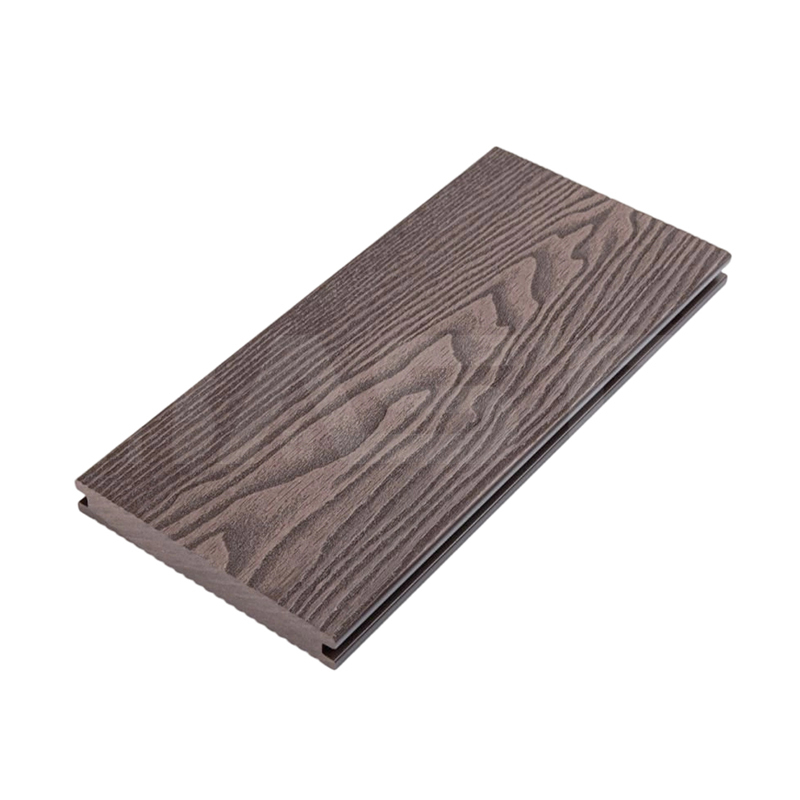
Wood, PVC, and WPC decking each respond differently to outdoor conditions. Traditional wood decks, while aesthetically pleasing, are prone to rot, warping, and insect damage if not properly treated and maintained. PVC decking is highly resistant to moisture and corrosion, making it suitable for wet areas, but it can be susceptible to surface scratching and may expand under extreme temperature changes. WPC (Wood Plastic Composite) decking combines the natural look of wood with the durability of plastics, offering excellent resistance to rot, decay, UV exposure, and moisture, which significantly reduces long-term maintenance requirements.
Maintenance and Longevity
Maintenance demands vary among decking materials. Wood requires periodic sanding, staining, or sealing to maintain appearance and structural integrity. PVC decking is low-maintenance, typically only requiring cleaning with water and mild detergent. WPC decking strikes a balance, offering a long-lasting surface that resists staining, fading, and surface damage, while only needing occasional cleaning. Its composite nature ensures a lifespan longer than untreated wood, reducing replacement frequency and overall maintenance effort.
Aesthetic Flexibility and Design Options
The visual appeal of decking is an essential consideration for both residential and commercial projects. Wood provides a natural, warm aesthetic with unique grain patterns, appealing for traditional or rustic designs. PVC decking is available in a range of colors and finishes but may appear less natural due to its uniform texture. WPC decking offers versatility in design, mimicking wood grains and colors while allowing for consistent finishes and uniform sizing, making it suitable for modern outdoor living spaces that demand both style and functionality.
Structural Strength and Load-Bearing Capacity
Decking materials must support live and static loads safely. Wood boards vary in strength depending on species, moisture content, and treatment, requiring careful selection for heavy-use areas. PVC boards are lightweight but generally provide sufficient support for standard decking applications. WPC decking benefits from a reinforced composite structure, distributing weight evenly and offering enhanced load-bearing capacity suitable for elevated decks, terraces, and commercial installations where durability and safety are paramount.
Environmental Impact and Sustainability
Sustainability is increasingly important in decking material selection. Wood decking sourced from responsibly managed forests offers renewable options, but untreated wood may have a shorter lifespan, leading to more frequent replacement. PVC is a synthetic material with limited recyclability, though some manufacturers offer post-consumer recycled PVC decking. WPC decking combines recycled wood fibers and plastics, reducing waste while extending the service life of decking surfaces. This combination provides an eco-friendly alternative that minimizes resource consumption and promotes long-term environmental benefits.
Cost Considerations
The cost of decking materials encompasses both initial installation and long-term maintenance. Wood is generally less expensive upfront but incurs ongoing costs for treatment, sealing, and repairs. PVC decking may have a higher initial cost but benefits from low maintenance. WPC decking typically offers a moderate upfront price while delivering long-term savings through durability, reduced maintenance, and extended service life. Evaluating total lifecycle costs is critical when comparing decking options for both residential and commercial projects.
Comparative Overview of Decking Materials
| Material | Durability | Maintenance | Aesthetics | Sustainability |
|---|---|---|---|---|
| Wood | Moderate; susceptible to rot, insects | High; requires staining, sealing | Natural, warm, unique grain | Renewable if sourced responsibly |
| PVC | High; resistant to moisture and corrosion | Low; occasional cleaning | Uniform color, modern look | Limited recyclability; some post-consumer options |
| WPC (Composite) | High; resists rot, fading, and UV | Low; occasional cleaning only | Wood-like appearance, versatile finishes | Eco-friendly; uses recycled wood and plastic |
Conclusion
When comparing wood, PVC, and WPC decking, composite WPC materials provide a balanced solution with high durability, low maintenance, versatile aesthetics, and eco-friendly benefits. While wood offers natural beauty and PVC provides moisture resistance, WPC combines the advantages of both, making it an ideal choice for modern outdoor decking applications. Selecting the right decking material should consider long-term performance, maintenance requirements, and design objectives to ensure functional and visually appealing outdoor spaces.
Our News //
Related News
-
Email: [email protected]
Email: [email protected] -
Tel: +86 13732382108
Tel: +86 18705821696 -
 BLDG#1, LONGOUANWU ECO-INDUSTRIALPARK, MIAOXITOWN, WUXINGDISTRICT. HUZHOU. CHINA

Quick Links
Products Center
Copyright © 2025 Huzhou Baosheng New Material Co., Ltd.All Rights Reserved. Composite Decking Manufacturers Composite Cladding Factory
