


 Español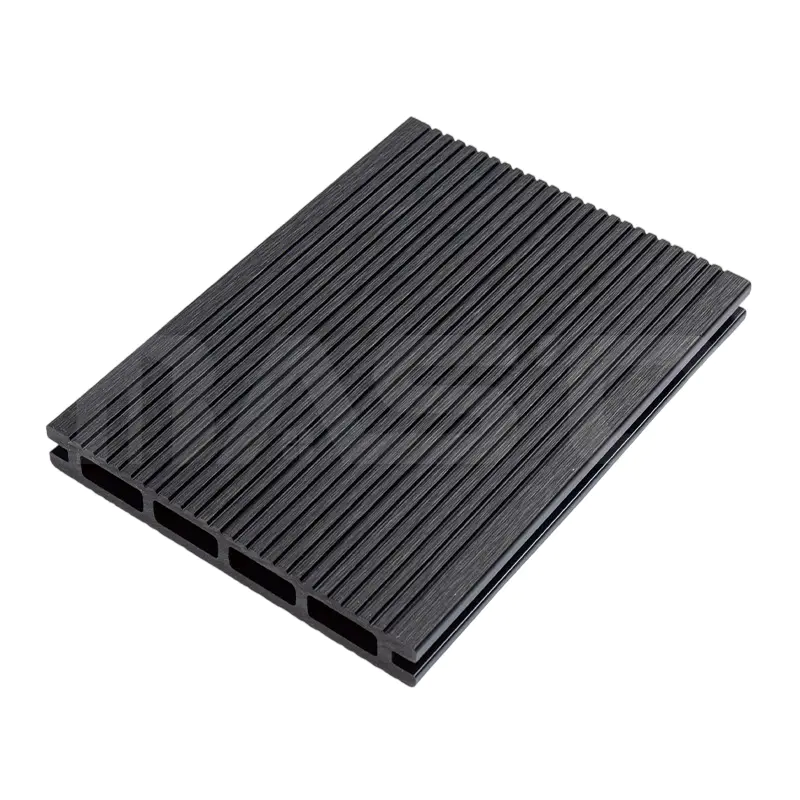
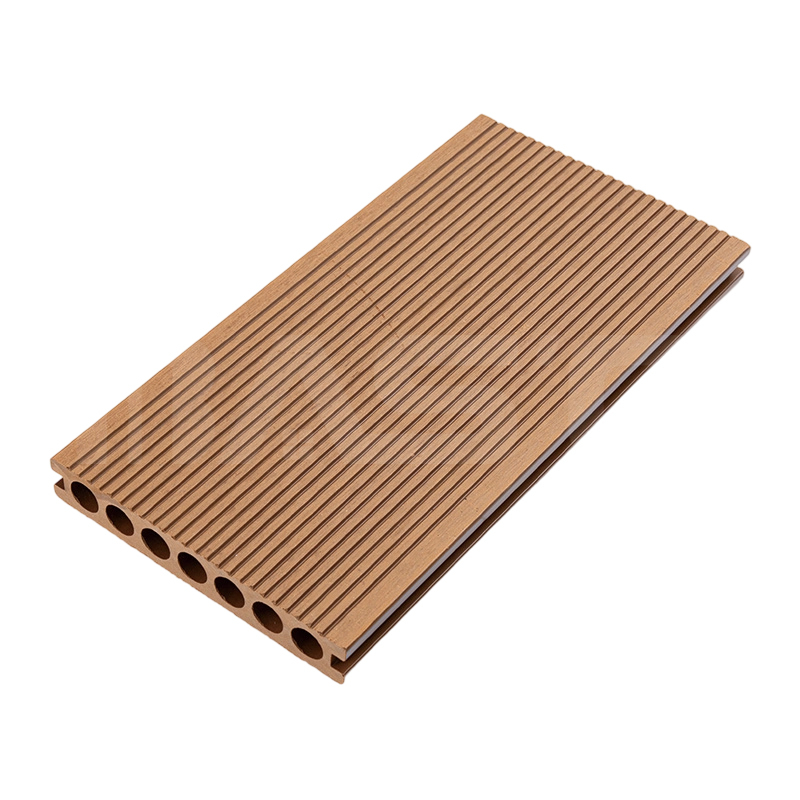
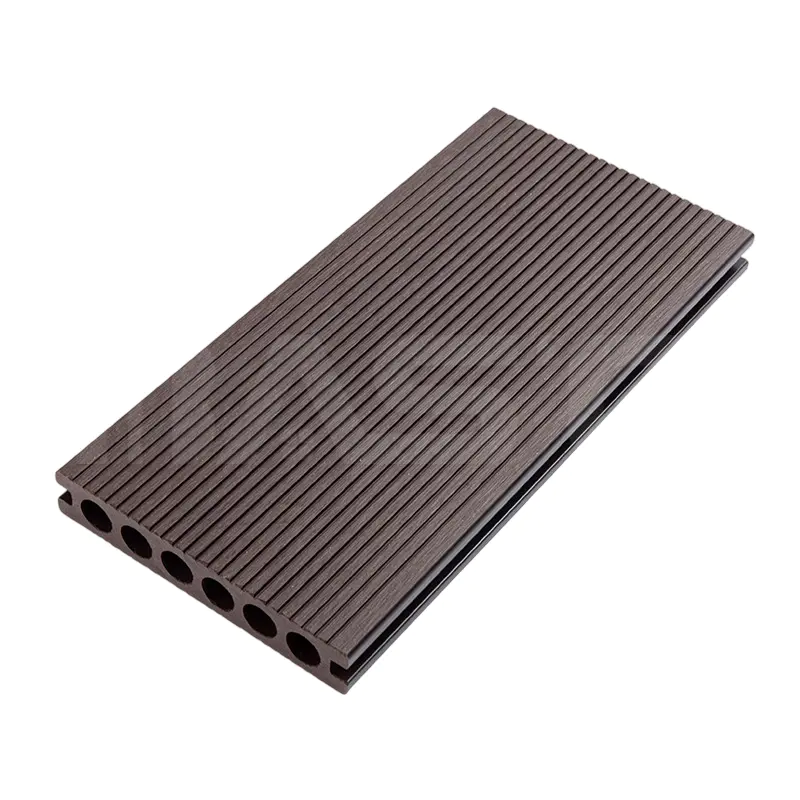
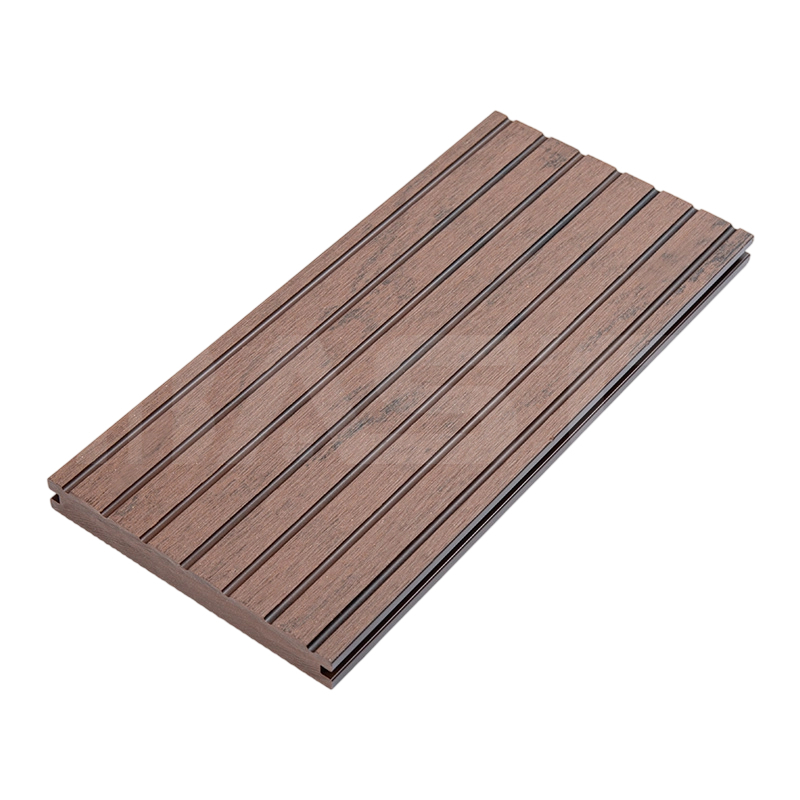
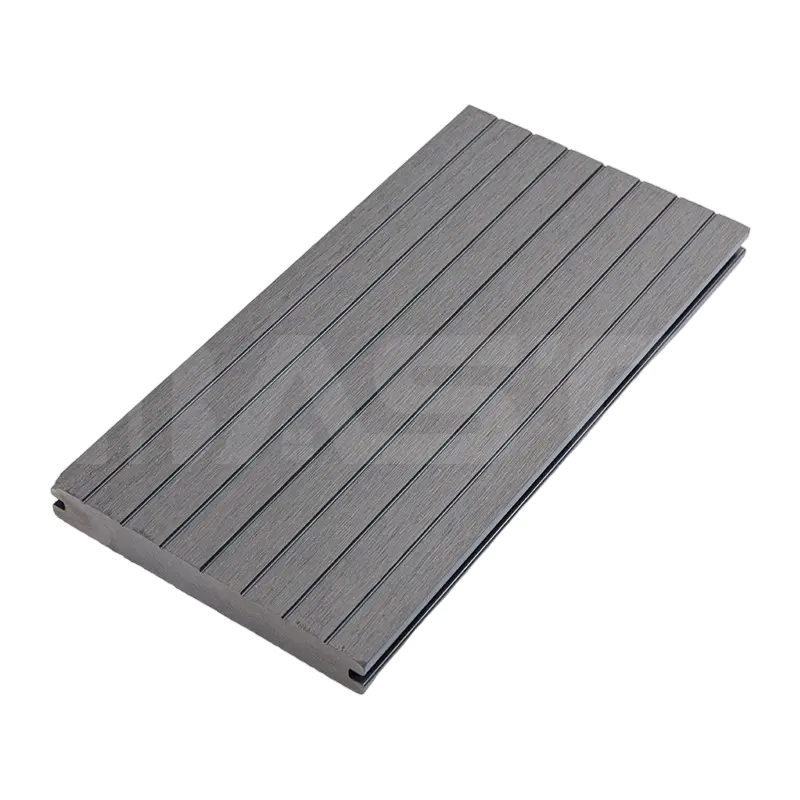
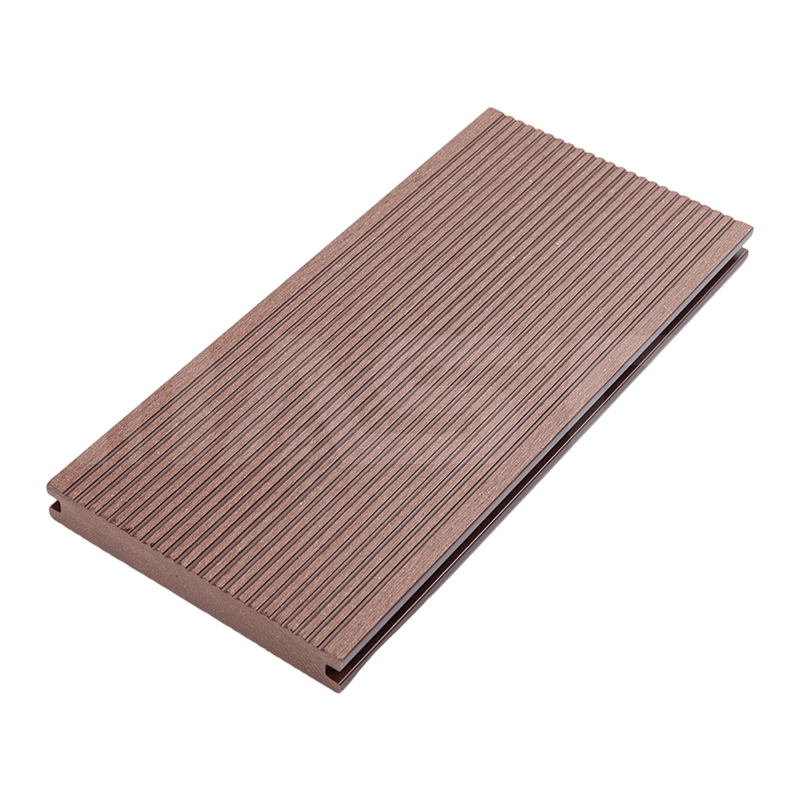
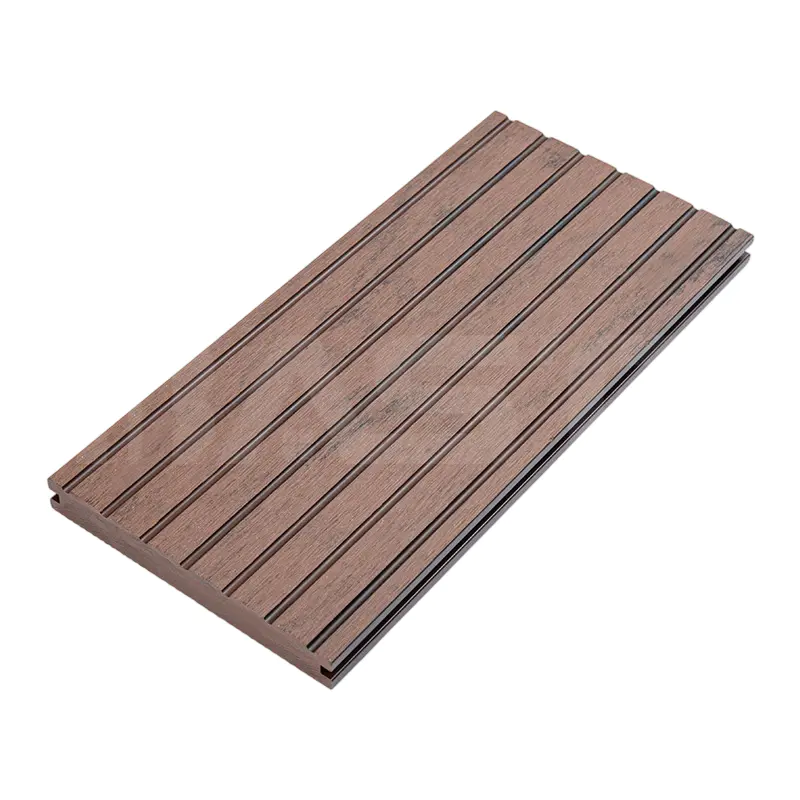
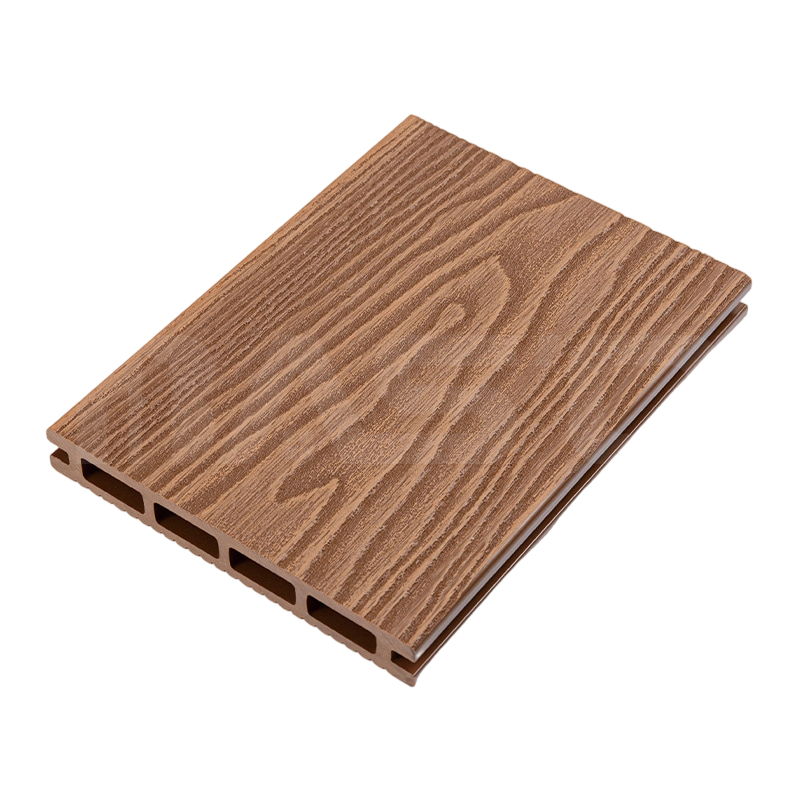
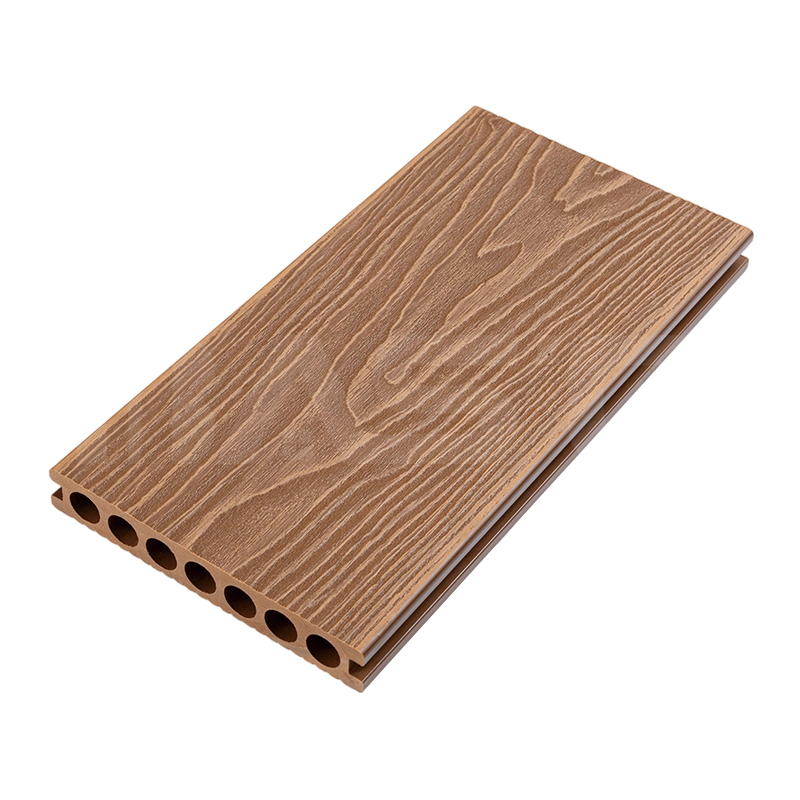
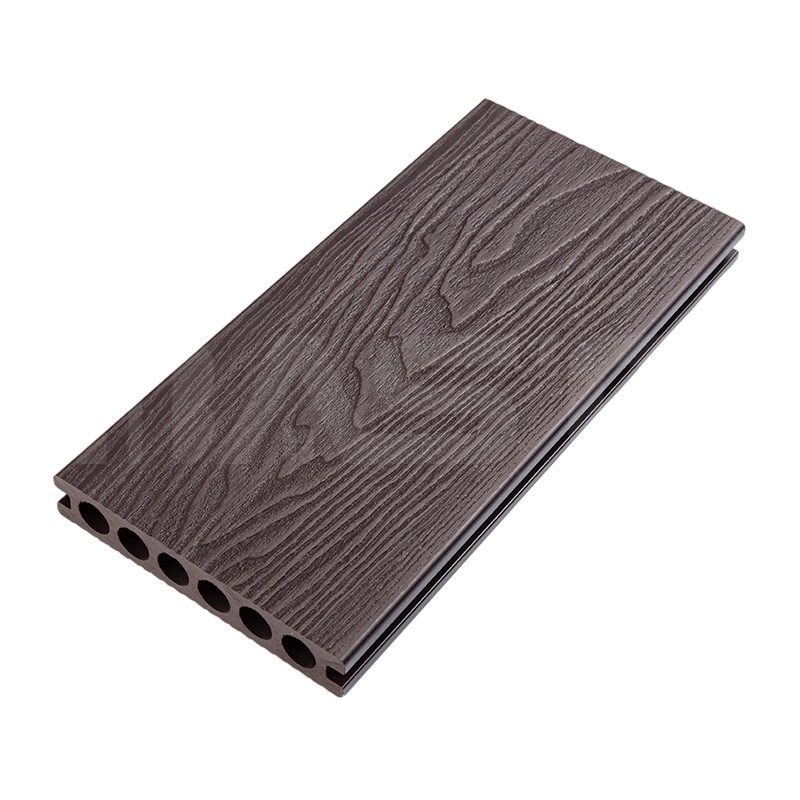
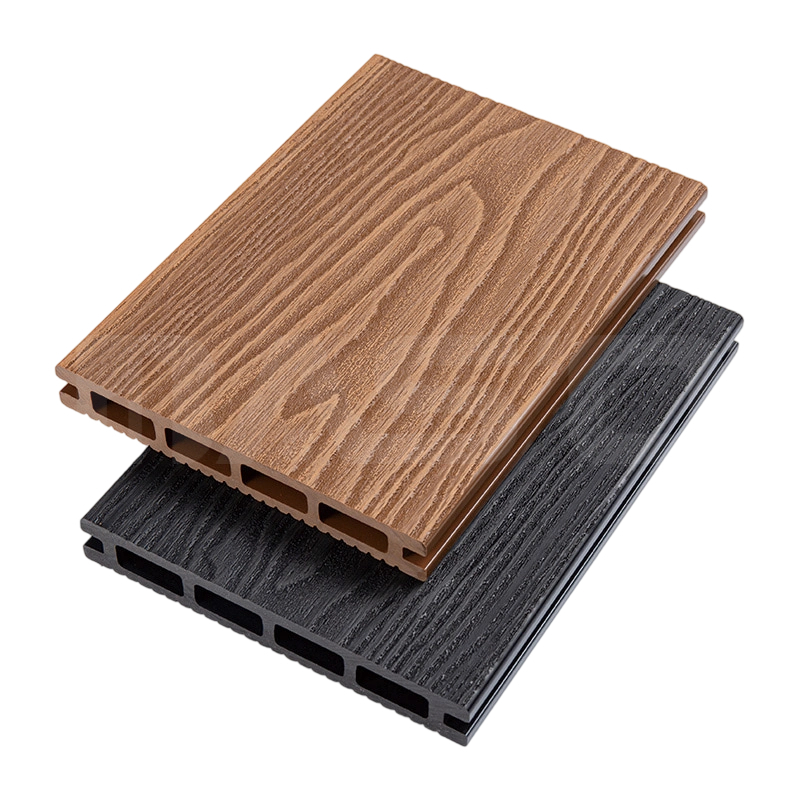
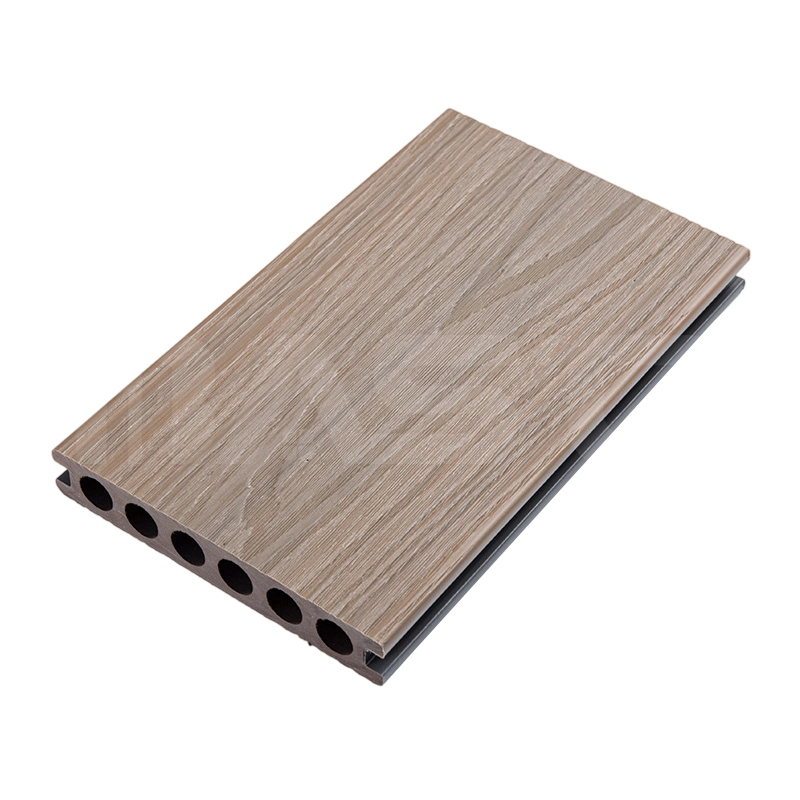
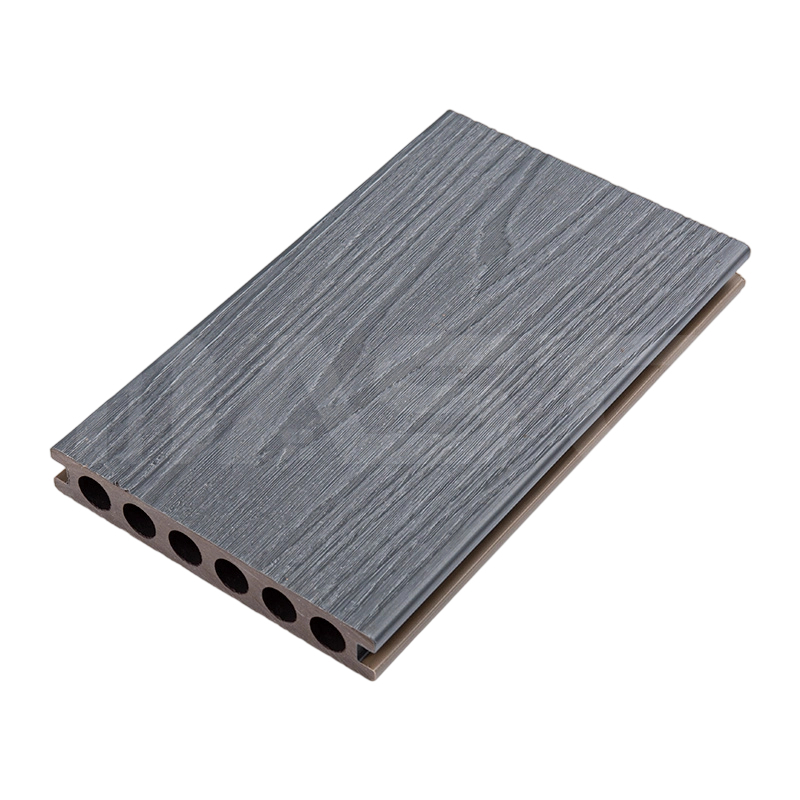
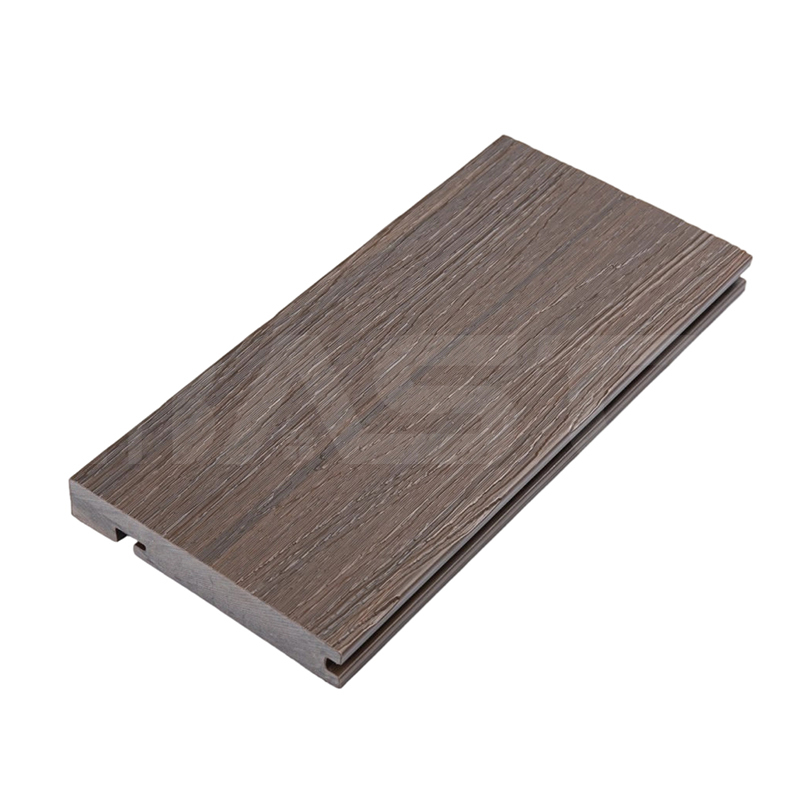
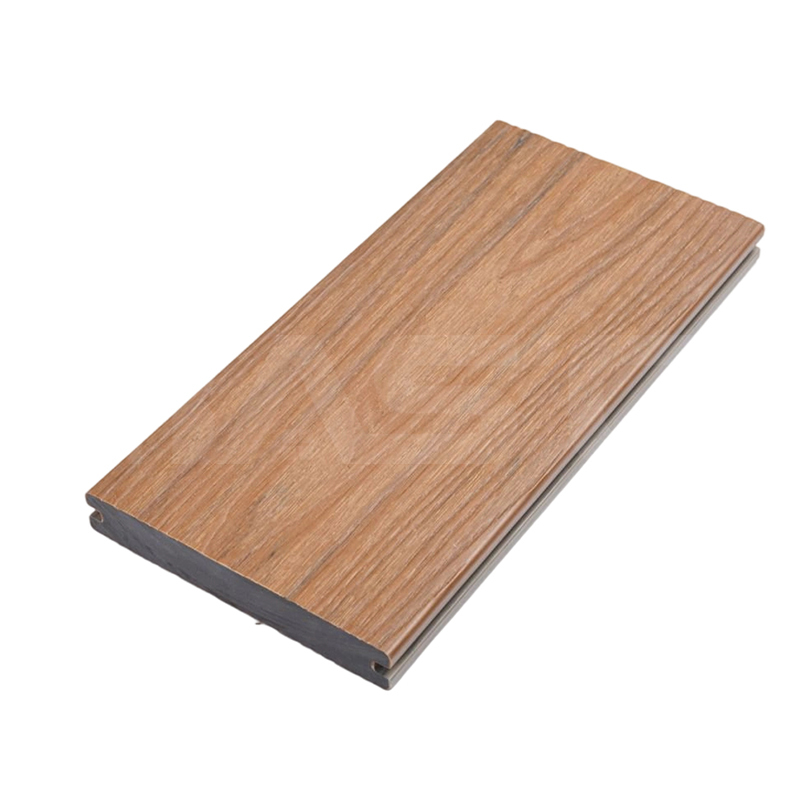
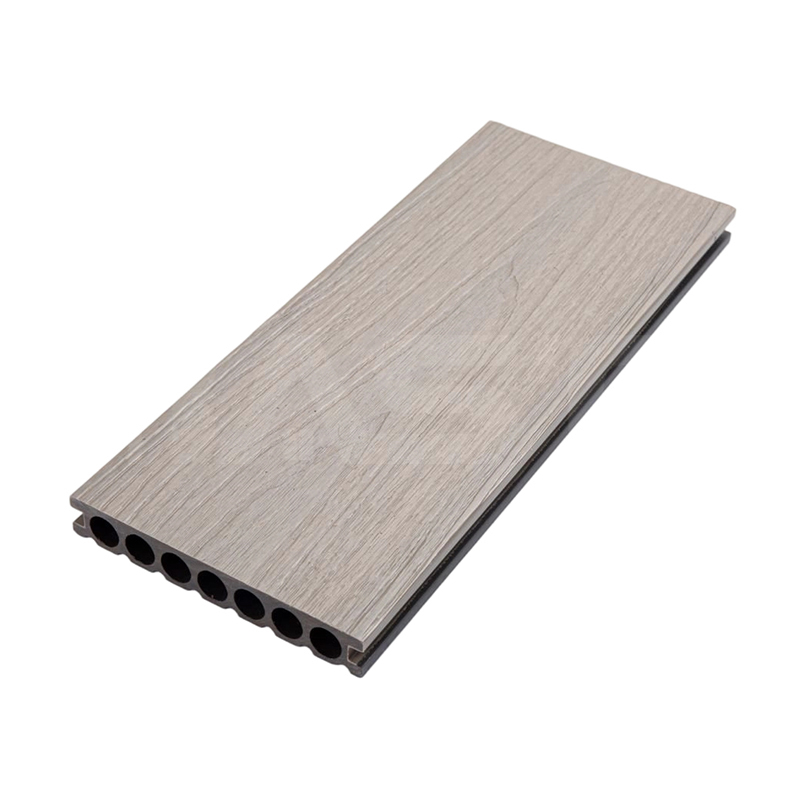
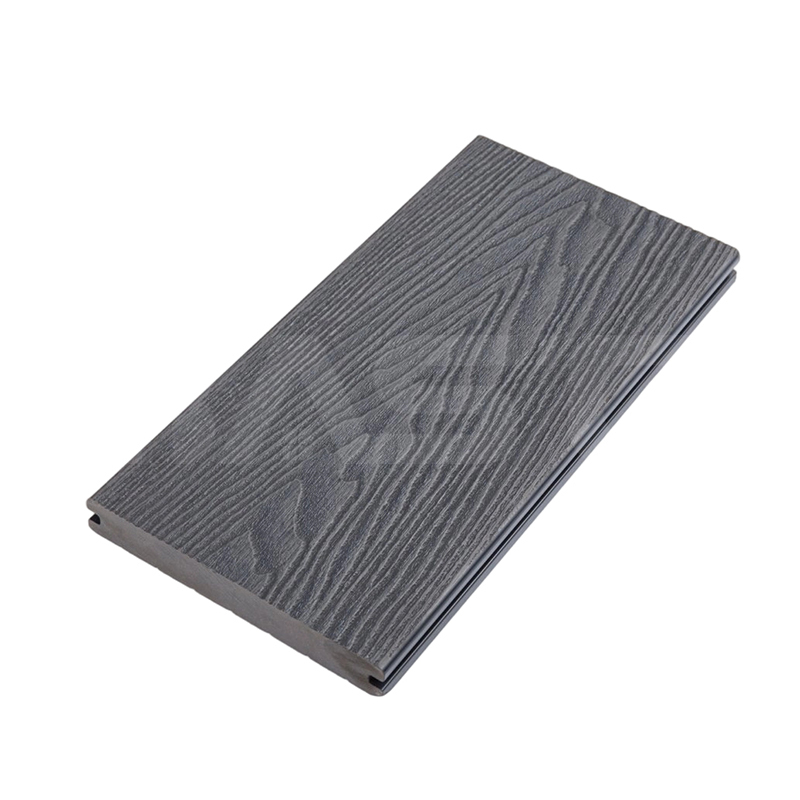
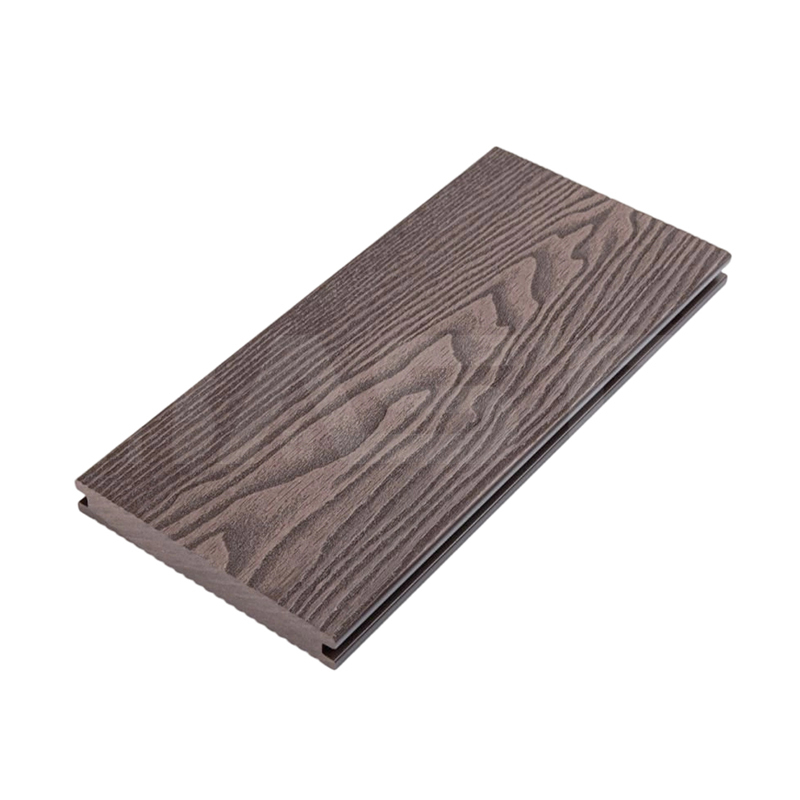

Most people who search for budget friendly composite decking are not chasing the cheapest board on the pallet. They want a deck that looks good, stands up to the weather, and does not wreck the household budget. That is...
READ MOREWPC Decking Suppliers
Message Feedback
ABOUT BASO
GREEN MATERIALS FOR SUSTAINABLE DEVELOPMENT
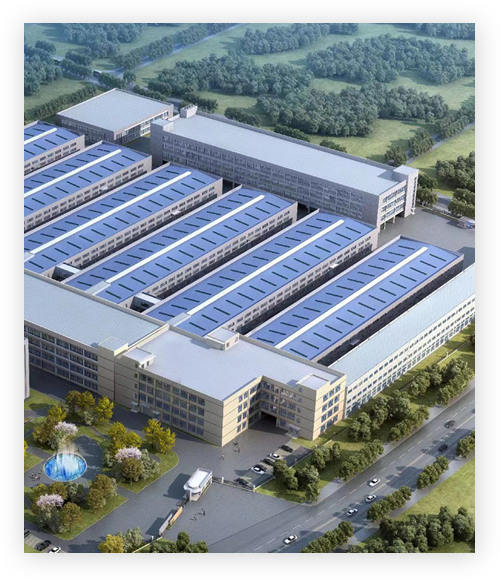
Huzhou Baosheng New Materials Co., Ltd is a professional enterprise that produces new decorative materials, composite material terraces, composite material coatings, composite material fences, and outdoor DlY ceramic tiles. As WPC Decking Suppliers and Composite WPC Decking Company in China, the company is located in Huzhou City, Zhejiang Province, China. The main products include composite material terraces, composite material coverings, composite material fences, and related accessories. Our factory has over 20 production lines, which can provide you with high-quality and affordable products.

-
Export experience
0+
-
Production lines
0+
-
Regenerated Wood
0%
-
Exporting country
0+
News
-
-
Not every backyard comes with a flat, ready-to-build pad. Sloping lots, walk-out basements and homes that sit a few feet above the lawn are far more common than the tidy rectangles in the catalogs, and trucking in fill ...
READ MORE -
Aluminum deck railing has become the quiet hero of modern outdoor design. It frames the view, defines the deck edge, and does it all without the annual sanding and staining that wood railing demands. Whether you are bui...
READ MORE -
Balcony railings do more than keep people safe. They set the character of an elevation, decide how much light reaches the space, and quietly reveal whether a project was specified carefully or thrown together. Aluminium...
READ MORE
Industry knowledge
Understanding the Composition of WPC Decking
WPC decking, or wood-plastic composite decking, combines natural wood fibers with high-density polyethylene or other durable plastics. This hybrid structure creates a material that is strong, weather-resistant, and low-maintenance compared to traditional wood. In our factory, we produce composite WPC decking with precision-controlled ratios of wood and plastic to ensure optimal performance in outdoor environments.
The material balance in WPC decking is crucial. Too much wood fiber may reduce water resistance, while excessive plastic can affect surface texture and slip resistance. Our production process carefully calibrates these components to create a consistent, high-quality product suitable for patios, terraces, and commercial projects.
Durability and Weather Resistance
One of the main advantages of composite WPC decking is its durability. The material resists cracking, warping, and splintering under fluctuating weather conditions, including heavy rain, intense sunlight, and cold temperatures. UV-stabilized additives prevent discoloration, maintaining the aesthetic appeal of the decking over time.
We have observed that boards manufactured with precise extrusion techniques provide uniform density and structural integrity. This ensures that decks built with our WPC products remain strong and safe for daily use, even in high-traffic outdoor spaces.
Low Maintenance Benefits
Unlike traditional timber, WPC decking requires minimal maintenance. It does not require painting, staining, or sealing, and it resists mold, mildew, and insect damage. Cleaning is typically as simple as rinsing with water or using mild detergent, making it a practical choice for residential and commercial applications.
In our production lines, we prioritize surface treatments that enhance the natural wood-like appearance while ensuring that boards remain smooth, durable, and easy to clean for years to come.
Practical Features of WPC Decking
- Slip-resistant surfaces for safe outdoor use
- Resistant to rot, decay, and insect infestation
- Long-lasting color retention with UV protection
- Suitable for high-traffic and commercial outdoor areas
Installation Techniques and Design Flexibility
Composite WPC decking can be installed using hidden fasteners, screws, or clips, ensuring clean and uniform surfaces. Its consistent size and density allow for precise cutting and easy assembly. Our factory can customize board dimensions and profiles to meet unique project requirements, offering flexibility for architects, landscapers, and DIY enthusiasts.
Design options such as grooved surfaces, embossed textures, and multiple color choices allow designers to create visually appealing decks while benefiting from the durability and low-maintenance features of WPC.
Comparing WPC Decking with Traditional Wood
| Feature | WPC Decking | Traditional Wood |
|---|---|---|
| Durability | High resistance to warping, cracking, and rot | Susceptible to weather damage and decay |
| Maintenance | Low, requires occasional cleaning | High, requires painting or sealing |
| Weather Resistance | Excellent, UV and moisture resistant | Poor, prone to discoloration and damage |
| Eco-Friendliness | Uses recycled materials | Requires natural timber, less sustainable |
Sustainability and Environmental Benefits
WPC decking incorporates recycled plastics and sustainably sourced wood fibers, reducing pressure on forests and minimizing environmental impact. This eco-conscious approach makes composite WPC decking a preferred choice for environmentally responsible projects.
At Huzhou BASO New Materials, we focus on producing sustainable decking solutions without compromising performance. Our products are suitable for residential, commercial, and public outdoor spaces worldwide.
Conclusion: Choosing the Right WPC Decking
Composite WPC decking offers a perfect balance of durability, low maintenance, aesthetic appeal, and sustainability. Its superior resistance to weather, insects, and wear makes it ideal for outdoor applications. With customizable options and advanced manufacturing processes, our factory delivers high-quality WPC decking tailored to diverse project requirements.
By combining innovation, quality control, and efficient production across 20+ lines, Huzhou BASO New Materials ensures our clients receive durable and visually appealing decking products at competitive prices. Whether for large-scale commercial projects or private outdoor spaces, WPC decking is an investment in long-lasting performance and beauty.
-
Email: [email protected]
Email: [email protected] -
Tel: +86 13732382108
Tel: +86 18705821696 -
 BLDG#1, LONGOUANWU ECO-INDUSTRIALPARK, MIAOXITOWN, WUXINGDISTRICT. HUZHOU. CHINA

Quick Links
Products Center
Copyright © 2025 Huzhou Baosheng New Material Co., Ltd.All Rights Reserved. Custom Composite WPC Decking Company
