
 Español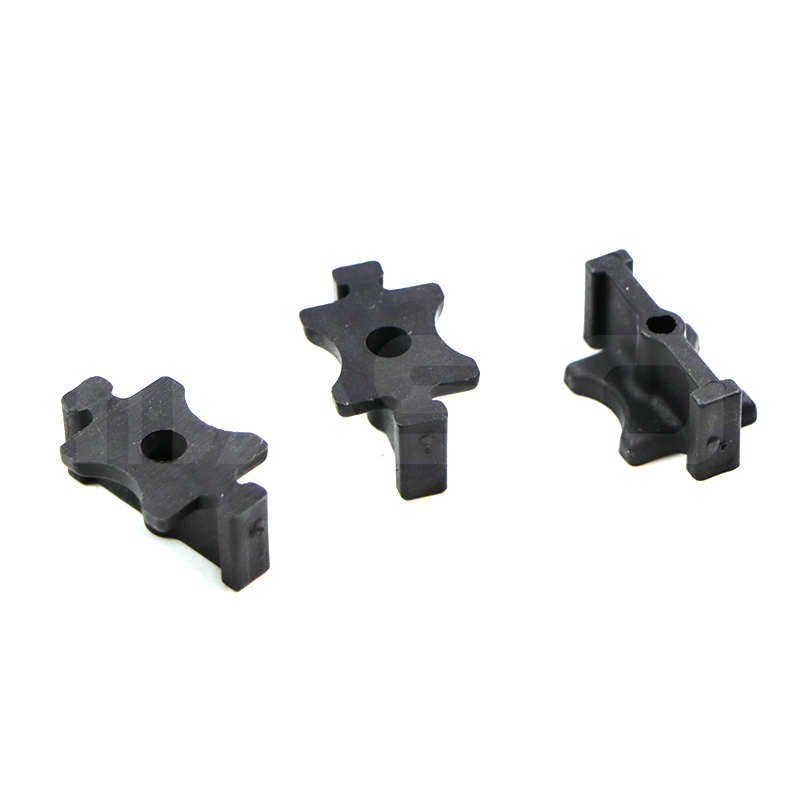
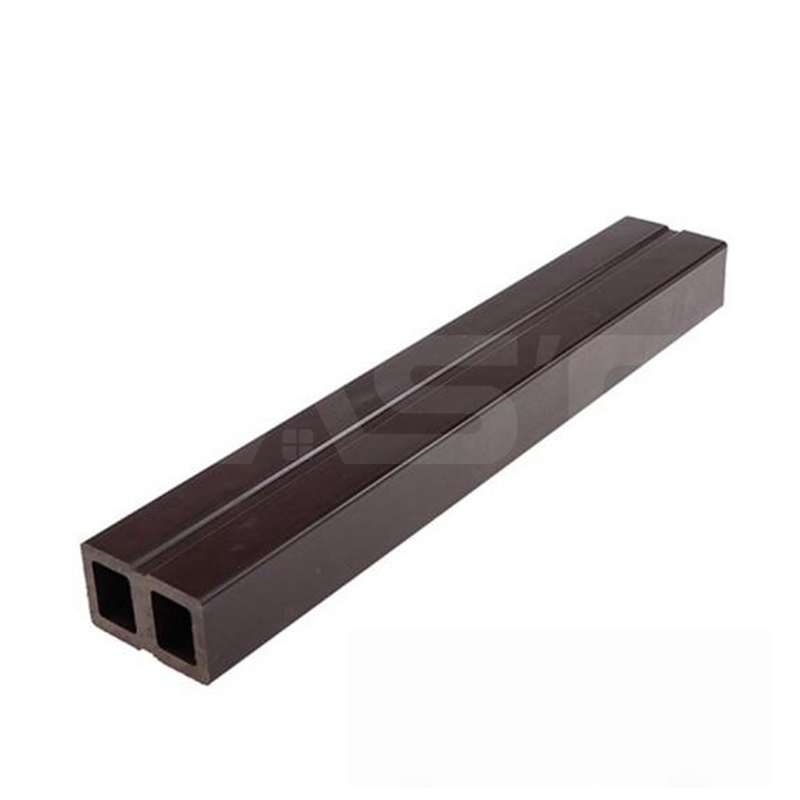
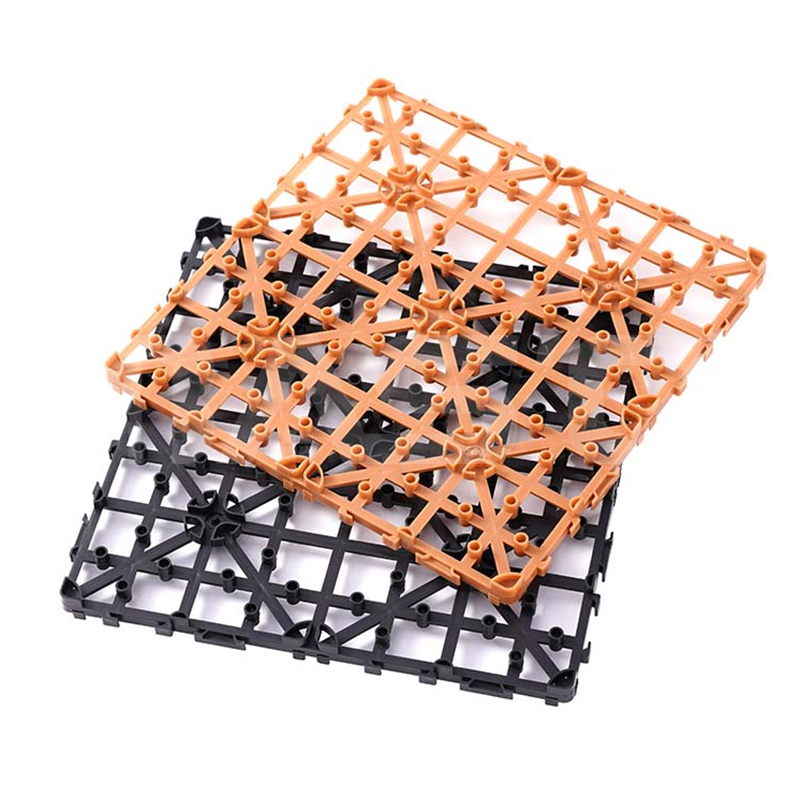
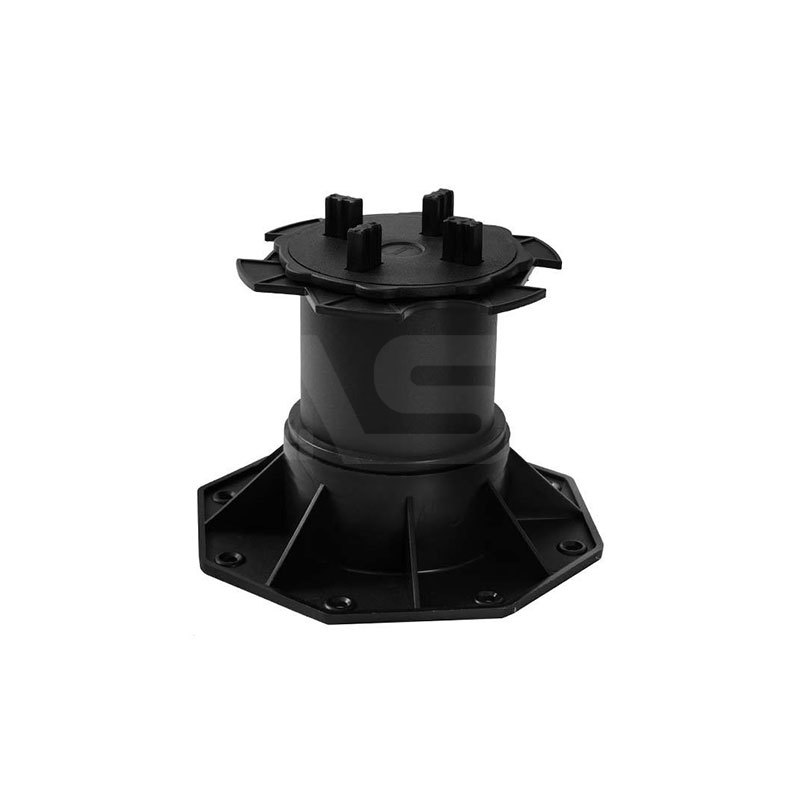
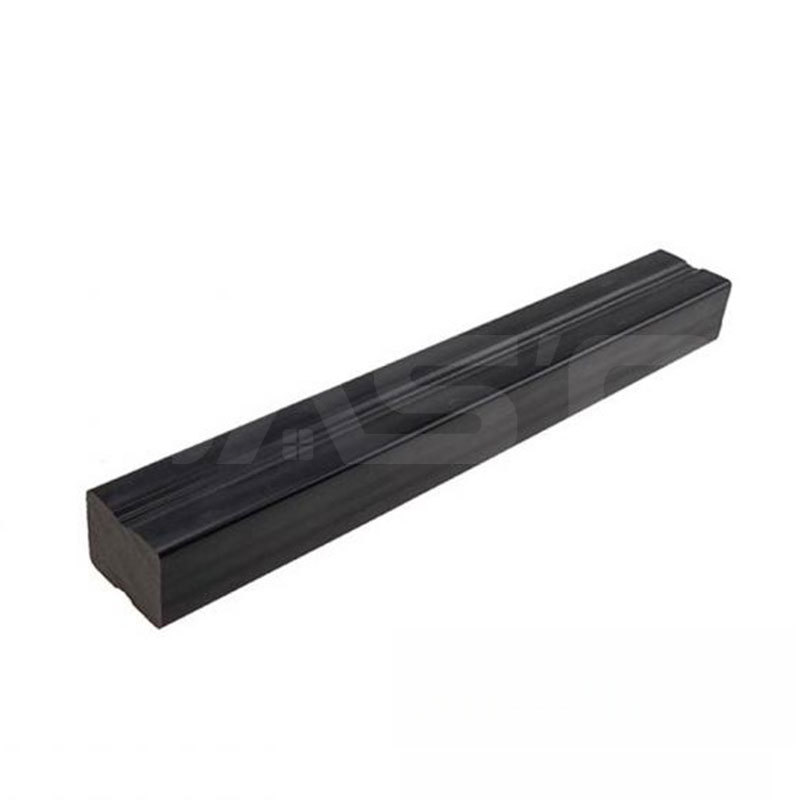

Most people who search for budget friendly composite decking are not chasing the cheapest board on the pallet. They want a deck that looks good, stands up to the weather, and does not wreck the household budget. That is...
READ MOREDecking Accessories Manufacturers
Message Feedback
ABOUT BASO
GREEN MATERIALS FOR SUSTAINABLE DEVELOPMENT
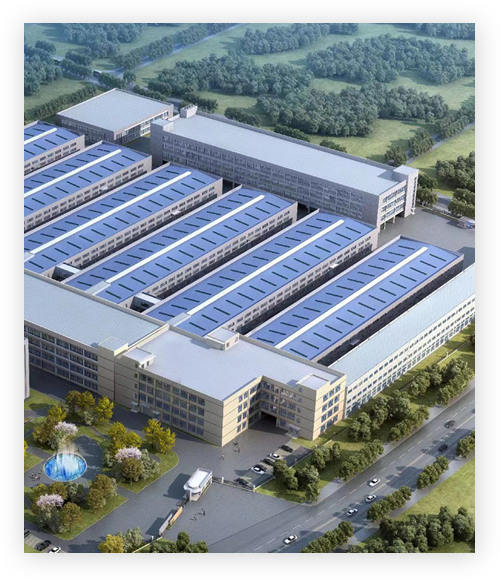
Huzhou Baosheng New Materials Co., Ltd is a professional enterprise that produces new decorative materials, composite material terraces, composite material coatings, composite material fences, and outdoor DlY ceramic tiles. As Decking Accessories Manufacturers and Decking Accessories Factory in China, the company is located in Huzhou City, Zhejiang Province, China. The main products include composite material terraces, composite material coverings, composite material fences, and related accessories. Our factory has over 20 production lines, which can provide you with high-quality and affordable products.

-
Export experience
0+
-
Production lines
0+
-
Regenerated Wood
0%
-
Exporting country
0+
News
-
-
Not every backyard comes with a flat, ready-to-build pad. Sloping lots, walk-out basements and homes that sit a few feet above the lawn are far more common than the tidy rectangles in the catalogs, and trucking in fill ...
READ MORE -
Aluminum deck railing has become the quiet hero of modern outdoor design. It frames the view, defines the deck edge, and does it all without the annual sanding and staining that wood railing demands. Whether you are bui...
READ MORE -
Balcony railings do more than keep people safe. They set the character of an elevation, decide how much light reaches the space, and quietly reveal whether a project was specified carefully or thrown together. Aluminium...
READ MORE
Industry knowledge
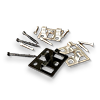
Optimizing Deck Installation with Hidden Deck Clips
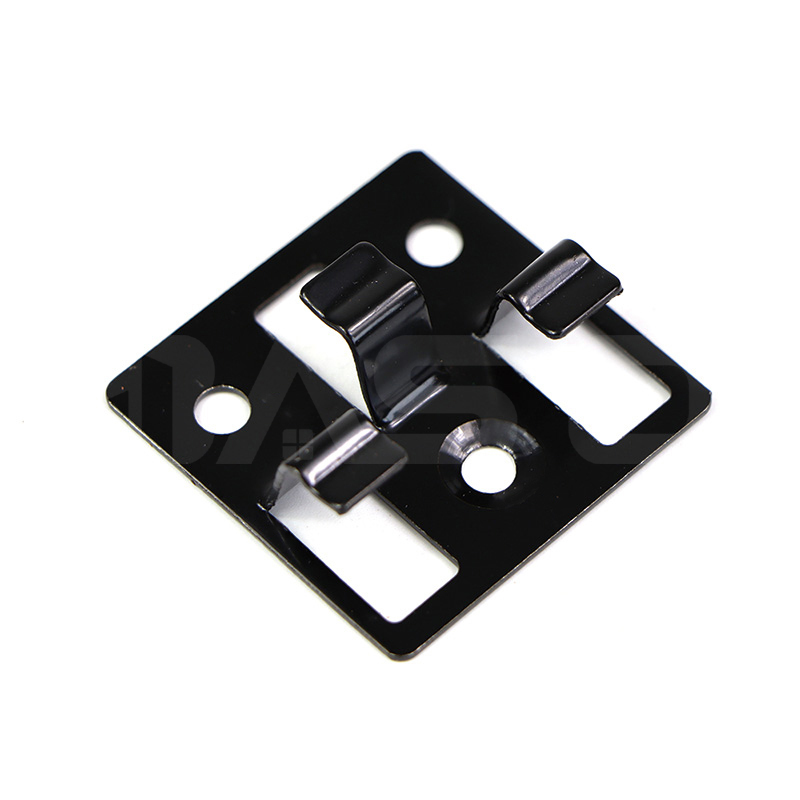
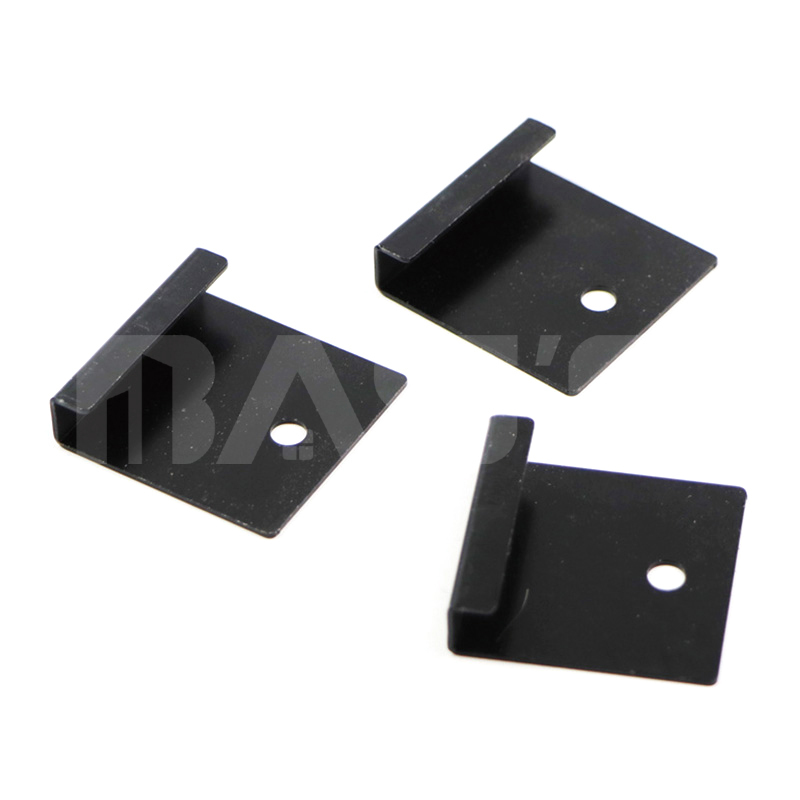
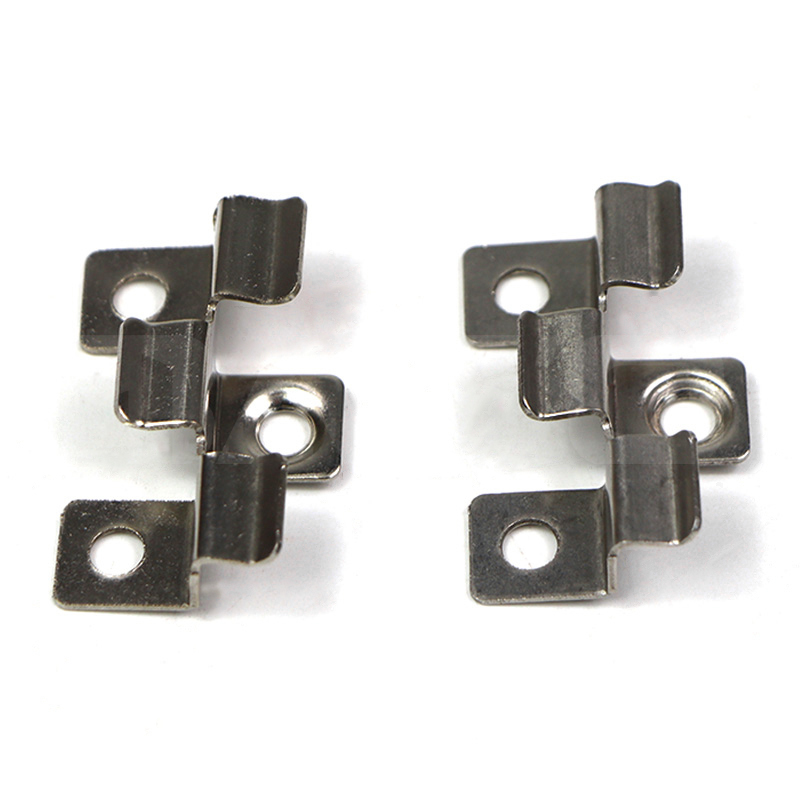
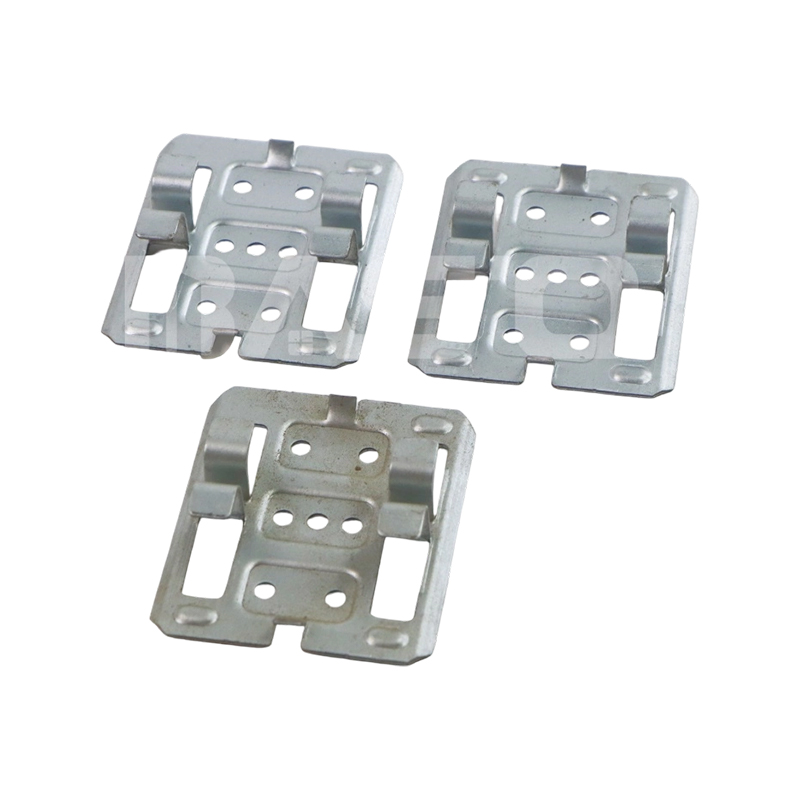
Hidden deck clips are increasingly favored for their ability to provide a clean, seamless surface without visible screws. Unlike traditional decking fasteners, they grip the boards from the side, allowing expansion and contraction while maintaining alignment.
For optimal installation, spacing between clips should be carefully calculated according to the decking material. For composite decking, clips are usually placed every 40-50 cm along the joist to prevent warping or uneven gaps. Using clips made from corrosion-resistant stainless steel or reinforced polymer ensures long-term durability.
- Ensure joists are perfectly leveled before installing clips to prevent board warping.
- Pre-drilling is often unnecessary with high-quality hidden deck clips, reducing installation time.
- Use a rubber mallet instead of a hammer to avoid damaging the clip during insertion.
- Keep expansion gaps consistent at both ends of the deck to accommodate thermal movement.
Materials and Design Considerations for Hidden Deck Fasteners
Hidden deck fasteners are designed for longevity and minimal maintenance. The material composition significantly affects their performance:
| Material | Advantages | Considerations |
|---|---|---|
| Stainless Steel | Corrosion-resistant, high strength | Higher cost, may require specific screwdrivers |
| Reinforced Polymer | Lightweight, easy to install, non-corrosive | Can degrade under UV exposure if low-quality |
The design of hidden deck clips also influences installation. Clips with a flexible locking mechanism allow minor board adjustments without removal. Some advanced clips incorporate anti-vibration features to minimize squeaking on composite decks.
Maintenance and Longevity Tips for Decking Clips
Although hidden deck clips are low maintenance, proper care ensures the longevity of both the clips and the deck itself. Regular inspections can prevent minor issues from escalating:
- Check for loose clips after seasonal temperature changes and re-secure if necessary.
- Clean debris from the deck surface to prevent moisture accumulation around clips.
- Apply protective coatings to polymer clips in areas with high UV exposure to reduce brittleness.
- Inspect the deck’s joists periodically for signs of rot or movement that could affect clip performance.
Proper selection of clip material and installation technique can extend deck lifespan by over a decade, especially in high-traffic outdoor areas. Investing in high-quality hidden deck fasteners pays off with reduced maintenance and a cleaner aesthetic.
Comparing Installation Techniques: Traditional Screws vs Hidden Deck Clips
Understanding the differences between traditional decking screws and hidden deck clips can help builders make informed choices based on aesthetic and functional needs:
| Method | Advantages | Drawbacks |
|---|---|---|
| Traditional Screws | Strong hold, widely available, easy to replace | Visible fasteners, risk of splitting boards |
| Hidden Deck Clips | Clean appearance, accommodates board expansion, reduces splintering | Slightly higher installation skill required, specialized tools may be needed |
Choosing the correct method depends on the project priorities. Hidden deck clips are preferred in modern decking for seamless design, while traditional screws may still be favored for decks with frequent modifications or repairs.
-
Email: [email protected]
Email: [email protected] -
Tel: +86 13732382108
Tel: +86 18705821696 -
 BLDG#1, LONGOUANWU ECO-INDUSTRIALPARK, MIAOXITOWN, WUXINGDISTRICT. HUZHOU. CHINA

Quick Links
Products Center
Copyright © 2025 Huzhou Baosheng New Material Co., Ltd.All Rights Reserved. Custom Decking Accessories Factory
