
 Español
Aluminum Deck Railing Ideas: Styles, Materials & Installation Tips for Modern Decks
News-Content
- 1 Why Aluminum Railing Works So Well on Modern Decks
- 2 Design Ideas for Aluminum Deck Railing
- 3 Comparing Aluminum Railing Styles
- 4 Pairing Aluminum Railing with Composite Decking
- 5 Structural Details That Keep Your Railing Safe
- 6 Coastal, Hot, and Cold Climates: What to Know
- 7 Installation Tips and Accessory Choices
- 8 Creating a Cohesive Outdoor Enclosure
- 9 Cost and Long-Term Value
Aluminum deck railing has become the quiet hero of modern outdoor design. It frames the view, defines the deck edge, and does it all without the annual sanding and staining that wood railing demands. Whether you are building a new composite deck or updating an existing one, the right railing idea can transform the space. As a manufacturer of composite decking, wall cladding, and fencing, we have seen how aluminum railing systems pair with low-maintenance materials to create outdoor rooms that look sharp and stay that way.
Why Aluminum Railing Works So Well on Modern Decks
Aluminum is lightweight, strong, and naturally resistant to rust. When it is powder-coated over a properly pretreated surface, the finish holds its color and shrugs off scratches far better than paint. That means no annual refinishing, no rot, and no insect damage. For homeowners who want a deck they can enjoy rather than maintain, aluminum railing is a natural fit.
The material is also remarkably flexible. It can be extruded into slim posts, wide top rails, and decorative profiles, then combined with balusters, horizontal bars, cable, or glass. That versatility is why aluminum railing ideas now cover everything from minimalist urban balconies to traditional porches. It simply adapts to the architecture around it.
Design Ideas for Aluminum Deck Railing
Horizontal Rails and Cable Infill
Horizontal aluminum rails and stainless steel cable create clean, unobtrusive lines that let the deck and the landscape take center stage. Cable systems visually disappear from a distance, while horizontal bars offer similar style with more structure and often a lower price. Both pair beautifully with darker composite deck boards and simple furniture.
Glass Panels for Open Views
Aluminum posts with tempered glass panels are the go-to choice when the view is the main attraction. Glass keeps wind down and nearly vanishes from sight. It does need more cleaning than other infills, especially near the coast where salt film builds up, but the visual result is hard to match.
Powder-Coated Colors and Two-Tone Finishes
Matte black remains the most popular railing color because it works with almost any decking tone. Bronze and dark brown finishes complement wood-look boards, while white and light gray suit coastal and traditional homes and stay cooler in direct sun. Two-tone systems, with a darker frame and a lighter top rail, add a subtle designer touch.
Privacy Panels and Mixed-Material Top Rails
Aluminum railing does not have to be see-through. Posts can accept composite privacy inserts or louvered aluminum panels that block sight lines while allowing airflow. Another popular idea is pairing an aluminum frame with a composite or wood top rail, which adds warmth and a more natural feel underhand while keeping the structure low-maintenance.
Comparing Aluminum Railing Styles
Each infill style has its own strengths. The table below compares the most common aluminum railing options by application, upkeep, and relative budget.
| Railing Style | Best For | Maintenance | Relative Cost |
|---|---|---|---|
| Cable infill | Modern homes, open views | Low | Medium to high |
| Horizontal bars | Contemporary, clean lines | Low | Medium |
| Glass panels | Upscale decks, scenic views | Moderate | High |
| Aluminum balusters | Traditional and transitional | Low | Low to medium |
| Privacy inserts | Backyards, wind reduction | Low | Medium |
Pairing Aluminum Railing with Composite Decking
Start with the decking and let the railing follow. A deep-embossed or co-extrusion composite board with a rich wood grain looks excellent framed by matte black or bronze aluminum. Lighter boards often pair well with white, gray, or champagne finishes. Board width matters too: narrower boards create a finer texture that suits slim posts and cable infill, while wider boards can handle a heavier railing profile.
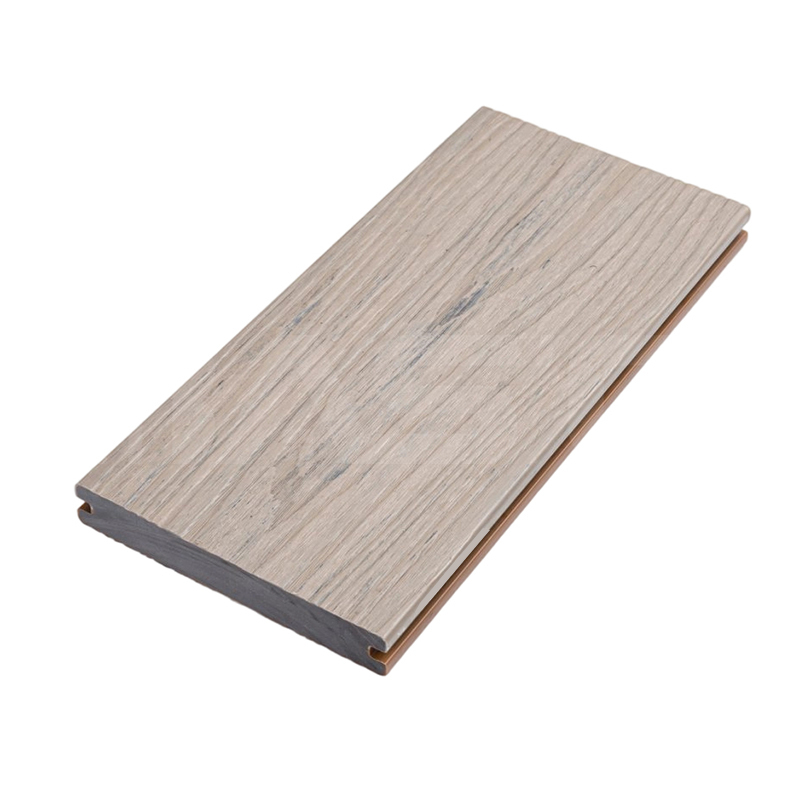
If you are still choosing deck boards, our natural wood-fiber co-extrusion decking offers a realistic wood surface with a protective cap that resists fading and staining, making it a smart match for low-maintenance aluminum railing.
 Natural Wood Fiber Co-Extrusion Composite Decking Board 140mm x 23mm2900mm (L) x 140mm (W) x 23mm (D)View Product →
Structural Details That Keep Your Railing Safe
Good looks mean little if the railing does not meet code. Most residential decks require a guard height of at least 36 inches, while some commercial and multi-family applications require 42 inches. The 4-inch sphere rule is equally important: no opening in the guard should allow a 4-inch sphere to pass through. That applies to balusters, horizontal bars, cable spacing, and the gaps around posts.
Post spacing depends on the system and local code, but many aluminum railings allow posts up to 6 feet apart on center. Surface-mounted posts bolt through the deck boards into blocking or framing below, while fascia-mounted posts attach to the rim joist and require solid blocking behind the fascia. Stair rails typically need a graspable handrail in addition to the guard. For a detailed breakdown of baluster spacing by material, our deck baluster spacing guide is a helpful reference.
Coastal, Hot, and Cold Climates: What to Know
Aluminum railing handles most climates well, but coastal areas need extra care. Salt spray can attack lower-grade finishes and unprotected cut ends. Look for powder coatings that meet AAMA 2604 or AAMA 2605 standards, and seal field cuts with touch-up paint. Stainless steel fasteners are also wise near the ocean. In hot, sunny regions, lighter railing colors stay noticeably cooler to the touch, which matters if barefoot guests will be leaning on the rail.
Installation Tips and Accessory Choices
Plan the railing before the deck is finished. Add blocking between joists where posts will land, and confirm that the framing is solid and level. A laser level or a tight string line keeps the top rail straight over long runs. On the decking side, hidden fastener systems make a real difference: they hold boards securely, maintain consistent gaps, and leave the surface free of visible screw heads.
Our concealed clip system is designed for composite decking and complements the clean lines of aluminum railing.
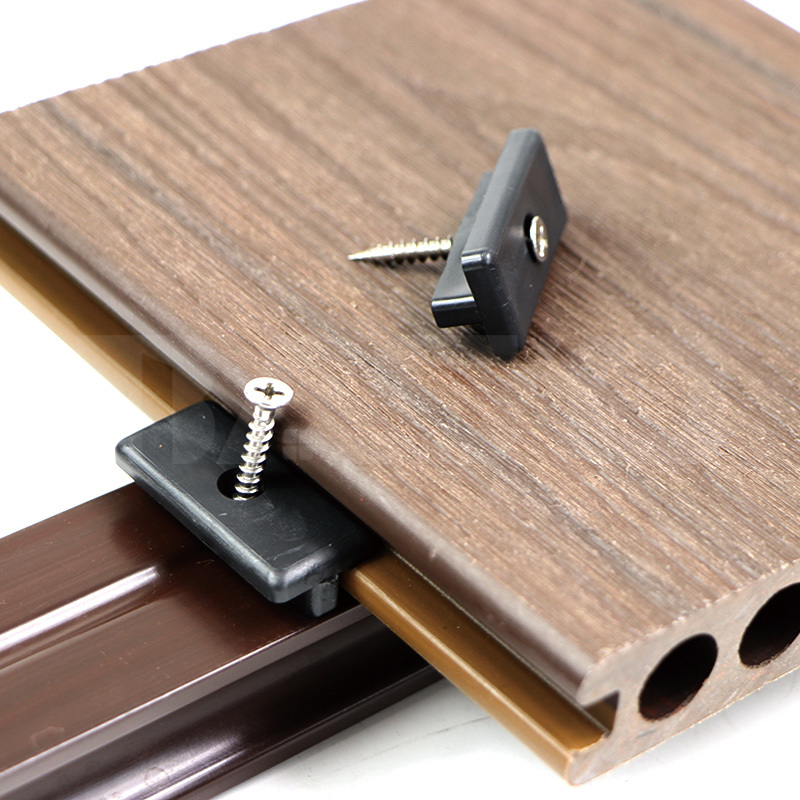 Concealed Clip System PP Plastic Decking ClipsTechnical CharacteristicsView Product →
Creating a Cohesive Outdoor Enclosure
If your deck is part of a larger outdoor living area, think about matching the railing to the fencing. Aluminum railing and aluminum fencing can share the same powder-coated finish, creating a continuous look from the deck to the property boundary. For more privacy, composite fencing pairs naturally with composite decking and aluminum railing.
Our WPC fencing range includes post-and-panel kits, fence gates, and privacy panels that work well alongside a deck project. We also manufacture an aluminium fence line, so you can source the whole outdoor envelope from one supplier and keep finishes consistent.
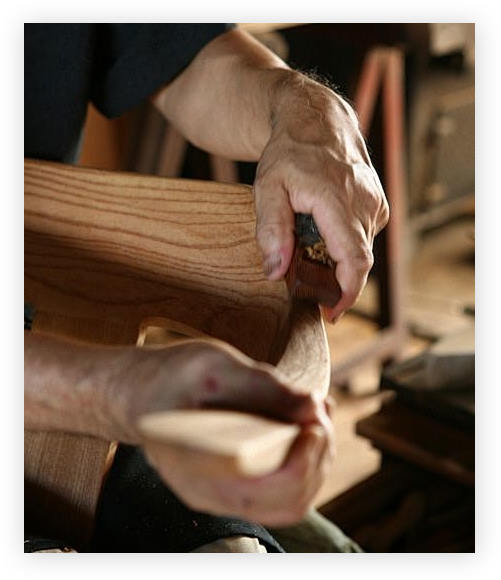 Aluminium Fences Manufacturersinformation to be updatedView Product →
Cost and Long-Term Value
Aluminum railing usually costs more than basic wood railing up front, but the long-term math often favors aluminum. There is no annual staining, no rot repair, and no insect treatment. A quality powder-coated system can hold its appearance for decades with simple cleaning. When you add up the labor and materials for refinishing wood every few years, aluminum often catches up within the first decade.
- No painting, staining, or sealing
- Resists rust, rot, and insect damage
- Recyclable at the end of its life
- Consistent color and finish for years
- Cleans easily with soap and water
For budget-conscious projects, aluminum baluster infill with a simple top rail is usually the most affordable option. Cable and glass systems cost more because of the extra hardware and installation time, but they also deliver the strongest visual impact.
The best aluminum deck railing ideas come from matching style to setting, and then backing it up with solid structural details. Choose an infill that suits your view and your privacy needs, pick a finish that works with your composite decking, and verify post spacing and baluster gaps against local code.
If you are planning a complete outdoor project, we can help you compare decking, railing, fencing, and accessories so everything works together. Request a quote when you are ready, and we will help you turn your railing ideas into a deck that looks sharp and stays that way.
Our News //
Related News
-
Email: [email protected]
Email: [email protected] -
Tel: +86 13732382108
Tel: +86 18705821696 -
 BLDG#1, LONGOUANWU ECO-INDUSTRIALPARK, MIAOXITOWN, WUXINGDISTRICT. HUZHOU. CHINA

Quick Links
Products Center
Copyright © 2025 Huzhou Baosheng New Material Co., Ltd.All Rights Reserved. Composite Decking Manufacturers Composite Cladding Factory
