
 Español
Durable and Low-Maintenance Composite Fencing Solutions
News-Content
- 1 Advantages of Composite Fencing Over Traditional Materials
- 2 Design Versatility and Aesthetic Options
- 3 Installation Considerations for Composite Fencing
- 4 Durability and Weather Resistance of Composite Materials
- 5 Maintenance and Longevity Tips for Composite Fencing
- 6 Comparing Composite Fencing with Wood and PVC Alternatives
- 7 Sustainability and Environmental Impact
Advantages of Composite Fencing Over Traditional Materials
Composite fencing has become a preferred choice for homeowners and commercial property owners due to its combination of durability, low maintenance, and aesthetic appeal. Unlike traditional wood fences, composite materials are engineered from a blend of wood fibers and recycled plastics, which provides enhanced resistance to rot, termites, and weathering. These materials maintain structural integrity and color for many years without requiring regular painting, staining, or sealing.
Additionally, composite fences are designed for longevity, often offering lifespans exceeding 20 years. They provide consistent quality, free from the knots, splits, and warping associated with natural timber. This reliability makes composite fencing a cost-effective solution over time, reducing the need for repair or replacement.
- High resistance to moisture, mold, and mildew compared to natural wood.
- UV-stable finishes that prevent color fading and surface cracking.
- Environmentally friendly, often manufactured from recycled materials.
- Low maintenance, requiring only occasional cleaning to remove dust or debris.
Design Versatility and Aesthetic Options
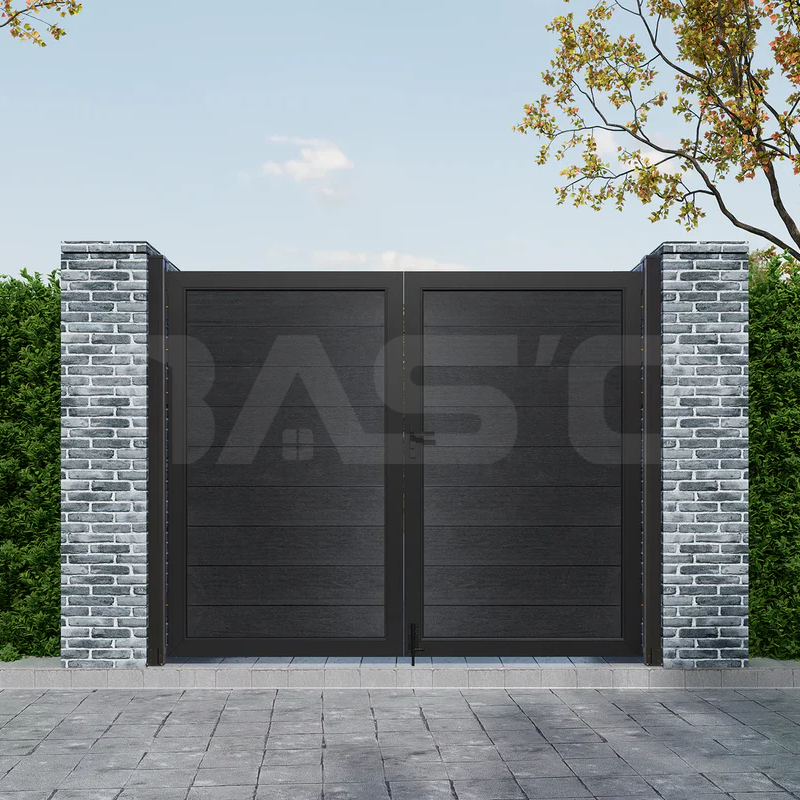
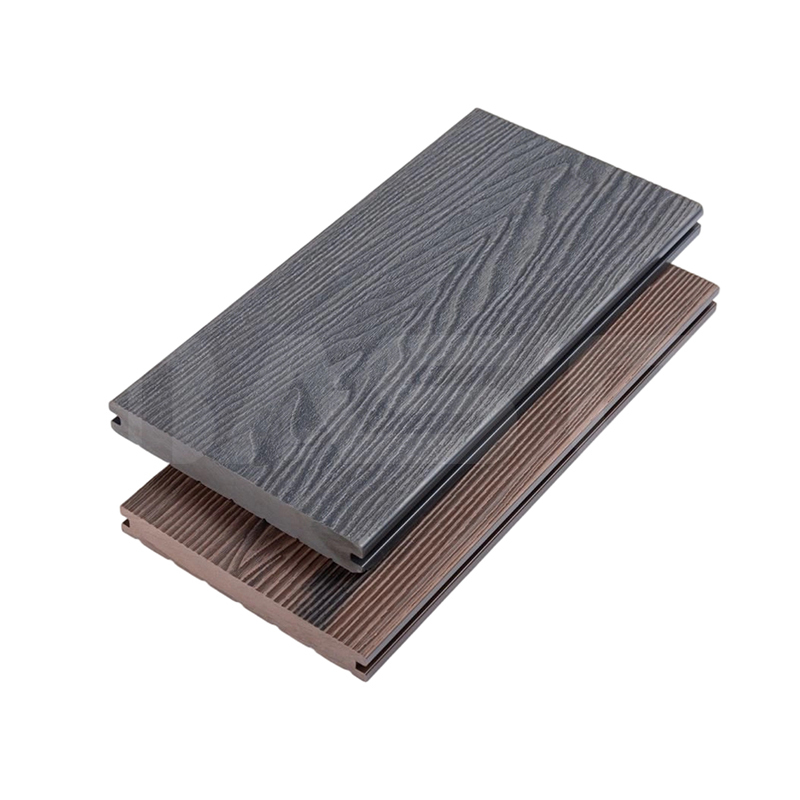
One of the most attractive features of composite fencing is the range of design options. Manufacturers offer a variety of profiles, textures, and colors, enabling homeowners to match fences to landscaping, architecture, and personal style. Smooth finishes replicate modern minimalist designs, while wood-grain textures mimic traditional timber aesthetics without the drawbacks of natural wood.
Composite panels can be designed in vertical, horizontal, or picket styles, and some systems allow for modular installation. Posts and rails are often included in coordinated colors and textures, ensuring a seamless look. Furthermore, custom designs can incorporate lattice tops, decorative caps, or integrated planters for a more personalized touch.
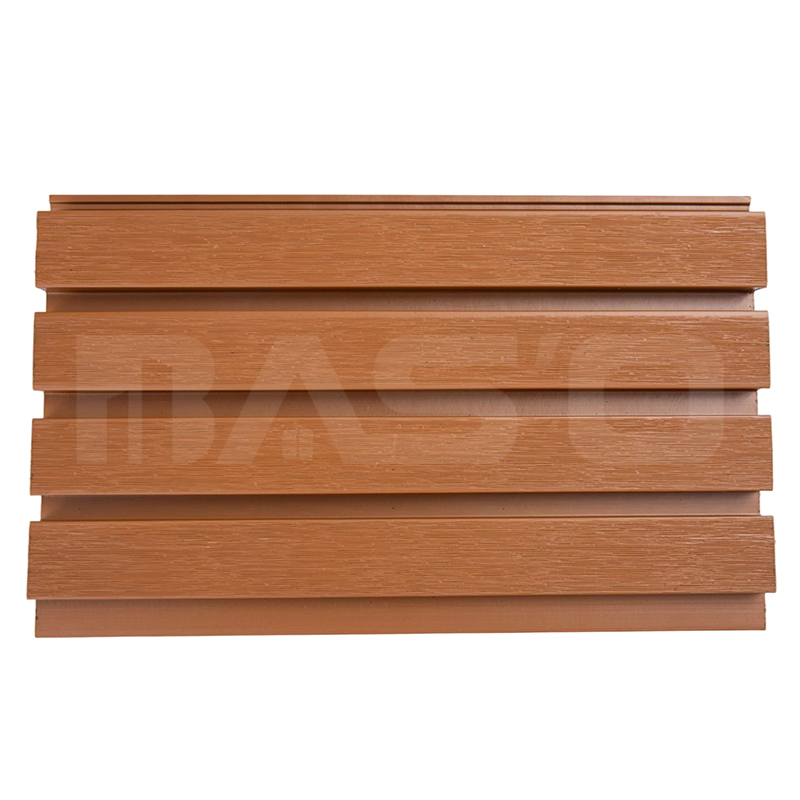
- Horizontal plank designs for modern, contemporary aesthetics.
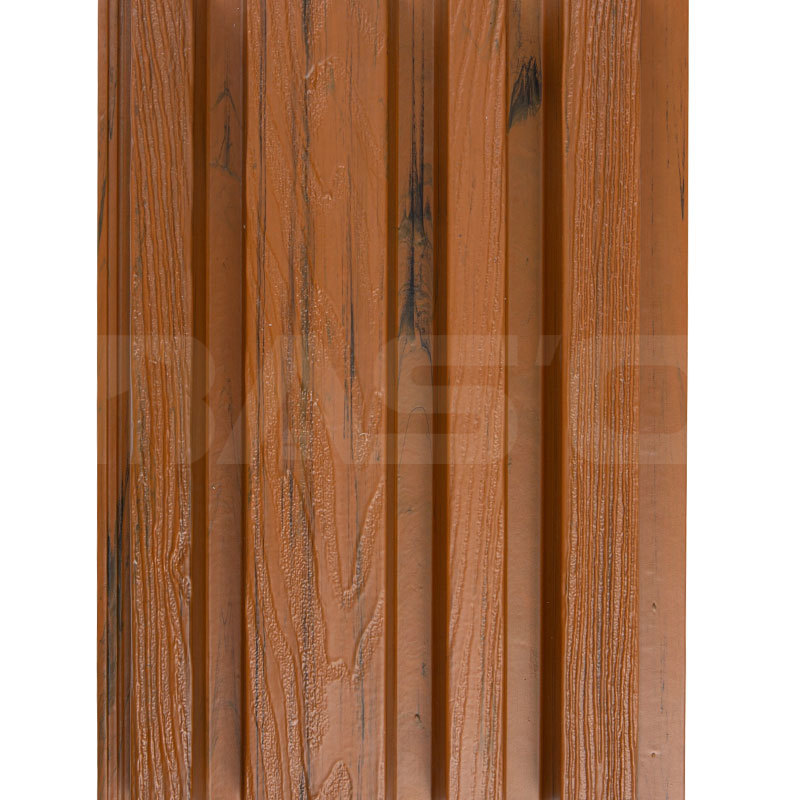
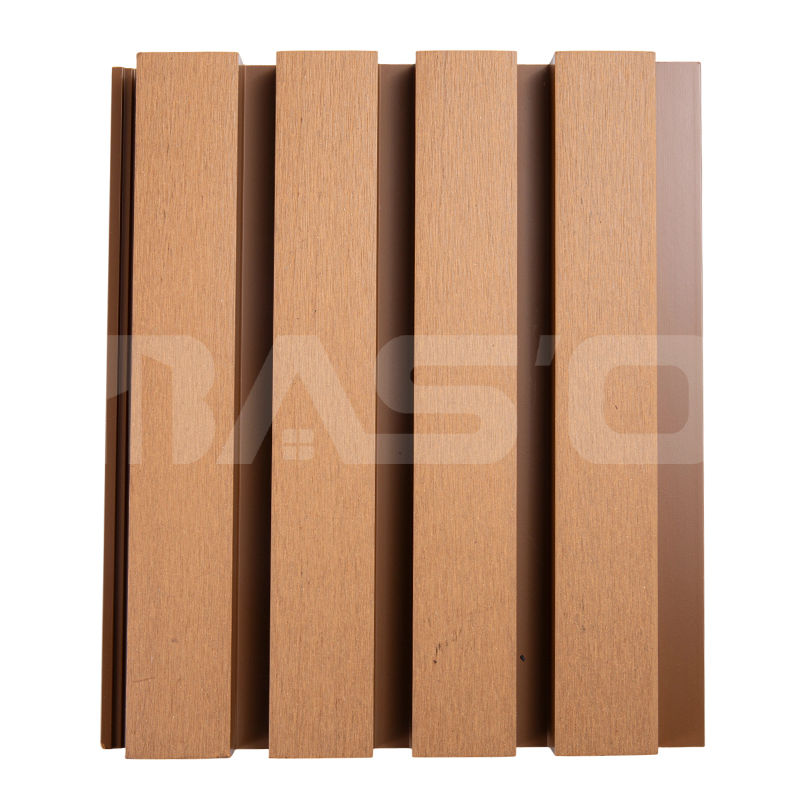
- Vertical panels for privacy-focused installations.
- Textured wood-grain surfaces for traditional or rustic appearance.
- Customizable heights and panels to fit landscaping and property lines.
Installation Considerations for Composite Fencing
Proper installation is essential to maximize the performance and lifespan of composite fencing. Unlike timber, composite boards expand and contract with temperature changes, so installers must account for gaps and spacing. Most systems use pre-designed clips or rails to secure panels, ensuring stability and alignment. Posts should be embedded in concrete for strong structural support, especially in windy or high-traffic areas.
Additionally, attention should be given to ground clearance. Boards should be installed with sufficient space above soil or grass to prevent moisture accumulation at the base, which could cause staining or surface damage. Composite fencing systems are often modular, allowing easier alignment and adjustment during installation.
- Use corrosion-resistant fasteners compatible with composite materials.
- Maintain consistent spacing between panels to accommodate expansion and contraction.
- Set posts in concrete footings for optimal structural support.
- Consider slope and terrain to maintain uniform height across uneven landscapes.
Durability and Weather Resistance of Composite Materials
Composite fencing excels in weather resistance. Unlike wood, it does not absorb moisture, which eliminates warping, cracking, and rotting. Composite fences are also resistant to termites, insects, and fungal growth, reducing long-term maintenance costs. UV-stable coatings prevent fading and preserve the original color even under prolonged sunlight exposure.
These properties make composite fencing suitable for various climates, from humid coastal regions to areas with harsh winters. Additionally, composite fences are less prone to impact damage, making them ideal for family homes with pets or active outdoor environments.
- Resistant to water damage, mold, and mildew in humid climates.
- UV-protected to prevent fading and maintain color longevity.
- Structural integrity maintained in temperature extremes.
- Impact and scratch-resistant surfaces for high-use areas.
Maintenance and Longevity Tips for Composite Fencing
While composite fences are low-maintenance, simple care practices can extend their lifespan and preserve appearance. Regular cleaning with water and mild detergent removes dust, pollen, and debris. Power washing should be done with caution to avoid surface damage. Periodic inspection of fasteners and posts ensures the fence remains structurally sound.
Unlike timber, composite fences do not require painting or staining, saving both time and cost over the fence’s lifetime. With proper installation and care, composite fencing can remain visually appealing and fully functional for 20–30 years, outperforming traditional wood fences in durability and maintenance efficiency.
- Clean surfaces periodically to prevent dirt accumulation and stains.
- Inspect posts and fasteners annually to ensure structural integrity.
- Remove nearby vegetation to prevent scratches or surface abrasion.
- Avoid harsh chemicals that could damage the composite material.
Comparing Composite Fencing with Wood and PVC Alternatives
Composite fencing provides a unique balance of performance and aesthetics compared to traditional wood and PVC fencing. While wood offers a natural appearance, it requires frequent maintenance and is susceptible to rot, termites, and weather damage. PVC fencing is low maintenance and resistant to moisture but lacks the natural wood texture and can become brittle over time.
Composite fencing combines the best of both worlds: the visual appeal of wood with the durability and low maintenance of PVC. Additionally, composite boards often incorporate recycled materials, making them an environmentally friendly option. Cost-effectiveness is achieved over time, as lower maintenance and longer lifespan offset the initial investment.
| Material | Advantages | Drawbacks |
|---|---|---|
| Composite | Durable, low maintenance, wood-like appearance | Higher upfront cost |
| Wood | Natural appearance, customizable | Prone to rot, requires regular maintenance |
| PVC | Waterproof, low maintenance, lightweight | Brittle, less natural appearance |
Sustainability and Environmental Impact
Composite fencing supports sustainable construction practices. Many manufacturers utilize recycled wood fibers and plastics, reducing landfill waste and the demand for virgin timber. Additionally, the long lifespan and minimal maintenance reduce resource consumption over time, compared to fences that require periodic painting, staining, or replacement.
Selecting a composite fence with recycled content not only contributes to environmental responsibility but also provides homeowners with a durable, low-maintenance, and aesthetically versatile solution for outdoor privacy and security.
- Reduces the demand for virgin wood and natural resources.
- Minimizes landfill waste by using recycled plastics and fibers.
- Long service life reduces material turnover and maintenance waste.
- Contributes to sustainable landscaping and construction practices.
Our News //
Related News
-
Email: [email protected]
Email: [email protected] -
Tel: +86 13732382108
Tel: +86 18705821696 -
 BLDG#1, LONGOUANWU ECO-INDUSTRIALPARK, MIAOXITOWN, WUXINGDISTRICT. HUZHOU. CHINA

Quick Links
Products Center
Copyright © 2025 Huzhou Baosheng New Material Co., Ltd.All Rights Reserved. Composite Decking Manufacturers Composite Cladding Factory
