
 Español
Composite Decking Care: Cleaning, Stain Removal & Year-Round Maintenance
News-Content
- 1 What "Low Maintenance" Really Means
- 2 The Routine That Prevents Most Problems
- 3 How to Deep Clean in Four Steps
- 4 A Simple Care Calendar
- 5 Getting Specific Stains Out
- 6 Mold and Mildew in Damp, Shaded Corners
- 7 Pressure Washing Without Wrecking the Surface
- 8 Snow, Ice and De-icing Salt
- 9 Scratches and Everyday Wear
- 10 Choosing Boards That Are Easier to Live With
- 11 Habits That Undo Good Care
- 12 Quick Answers to Common Questions
Composite decking has earned its reputation as a low-maintenance surface, and after eight years of shipping WPC boards to customers in more than 25 countries, we have seen what that promise looks like in real gardens, rooftop terraces and rental properties. It holds up well. It does not rot, it does not appeal to termites, and it does not ask to be sanded and refinished every second spring. What it does need is a small amount of attention at the right moments, so that dirt, pollen and grease never get the chance to settle into the surface. Here is the care routine we pass on to our own customers, from the weekly habits to the seasonal jobs that make the biggest difference.
What "Low Maintenance" Really Means
Most composite boards are a blend of recycled high-density polyethylene and natural wood fiber. The plastic component shields the fiber from moisture, while the fiber gives the board its warm appearance and its grip underfoot. In practice, that means the material itself will not decay, but the surface still collects things: pollen, garden soil, leaf tannin, bird droppings, sunscreen, and the occasional splash of barbecue grease.
Left alone through a wet season, those deposits turn into stains or form a thin film that holds dampness and feeds mildew. Care, in other words, is mostly about removing them before they set, rather than about repairing damage afterwards.
The Routine That Prevents Most Problems
Ten minutes with a broom does more for a deck than an hour of scrubbing later. During pollen season or when trees are dropping, sweep or blow off the surface twice a week, and rinse with a garden hose when you have the hose out anyway.
- Keep the gaps between boards clear. Debris that packs into the channels holds moisture against the board edges.
- Shift planters, pots and outdoor rugs every few weeks. Constant shade plus constant damp is where green growth starts.
- Check that soil or mulch is not piled up against the deck frame, and trim back any shrubs that touch the boards.
- Rinse the area under the grill and around the dining table after a weekend of cooking.
How to Deep Clean in Four Steps
Twice a year is enough for most decks, and once a year will do in dry climates. The method itself is deliberately gentle.
- Clear the surface and wet it down with a hose so the cleaner does not dry out mid-job.
- Mix a few drops of mild dish soap into a bucket of warm water, or use a cleaner made for composite decking. Apply with a soft nylon brush.
- Work along the length of the boards. On deep-embossed surfaces, give the boards a short pass across the grain afterwards to lift dirt out of the texture.
- Rinse thoroughly and let the deck dry. If a patch is still marked, repeat the wash rather than scrubbing harder.
A Simple Care Calendar
| Season | Main job | What to look for |
|---|---|---|
| Spring | Full wash after pollen season | Yellow-green film, leaf tannin, winter grime |
| Summer | Rinse after barbecues | Grease splatter, sunscreen marks, drink spills |
| Autumn | Clear leaves weekly | Damp leaf litter, early mildew in shaded corners |
| Winter | Snow removal and salt control | Compacted ice, de-icing residue, grit |
| Anytime | Spot treatment | Rust rings, scratches, sap, chewing gum |
Getting Specific Stains Out
Most marks come out with warm soapy water and a little patience. A few need something more targeted.
- Oil and grease: blot up what you can, cover the spot with cornstarch or cat litter for an hour, then wash with soapy water.
- Leaf tannin and berries: an oxygen-based cleaner made from sodium percarbonate usually lifts the colour without attacking the board.
- Rust rings from furniture: a cleaner containing oxalic acid, applied briefly and rinsed well. Test it on an inconspicuous corner first.
- Mildew: a dilute household bleach solution, one part bleach to three parts water, left for ten to fifteen minutes and then rinsed.
- Chewing gum or ice: a plastic scraper only. Metal blades leave permanent scars.
Mold and Mildew in Damp, Shaded Corners
Green or black spotting almost always appears where air does not move: against a wall, under a bench, beneath a planter that never gets moved. The fix is two-part. Clean the area as described above, then remove the cause by improving airflow and letting sunlight reach the boards. Good ventilation under the deck matters just as much as what happens on top, which is why we recommend a joist system that keeps the boards clear of the ground and lets air pass beneath them.
Pressure Washing Without Wrecking the Surface
A pressure washer is fine on composite decking if it is used like a hose with attitude rather than a cutting tool. Keep the pressure low, around 1,500 psi or less, fit a wide 25- or 40-degree nozzle, and hold the wand at least 30 centimetres from the boards. Move steadily along the length of the deck and never hold the jet in one place.
Too much pressure can fray the wood fiber, dull a capped surface, force water behind the boards, and drive moisture into places that then take days to dry. If your washer only has a narrow pencil jet, put it away and use a brush.
Snow, Ice and De-icing Salt
Use a plastic shovel, kept flat, and never a metal edge that will catch the surface. For ice, calcium chloride or magnesium chloride is kinder than rock salt, and sand gives traction without leaving a residue that stains. Skip the hammer and chisel: if a sheet of ice will not shift, let it melt.
Scratches and Everyday Wear
Light scuffs from garden chairs usually fade with a soft cloth and warm water. To prevent them, fit felt pads under furniture legs and lift rather than drag anything heavy across the deck. Keep the grill's grease tray clean, and be careful with garden tools and ladders, which cause most of the deep marks we hear about.
Choosing Boards That Are Easier to Live With
The care a deck asks for is partly decided before installation. Board construction changes how much dirt clings, how easy it is to rinse and how well the surface resists staining, so it is worth matching the material to the maintenance you are honestly willing to do.
Capped boards for busy households
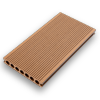
A co-extruded board carries a protective outer layer around the core, so spills and grime sit on the surface rather than in the fiber. It wipes clean more readily and hides the effects of a slightly neglected season.
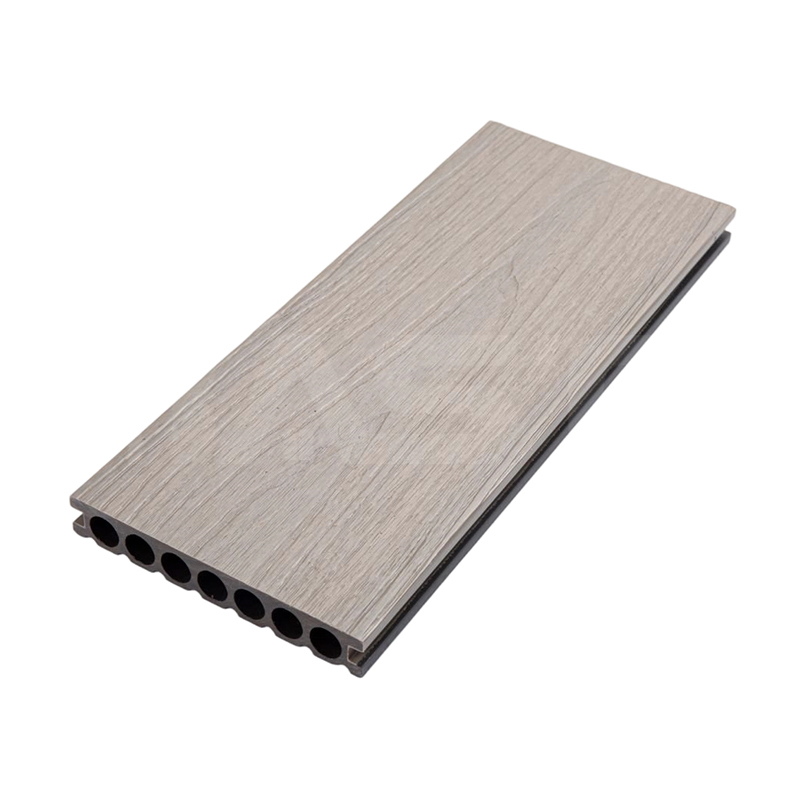
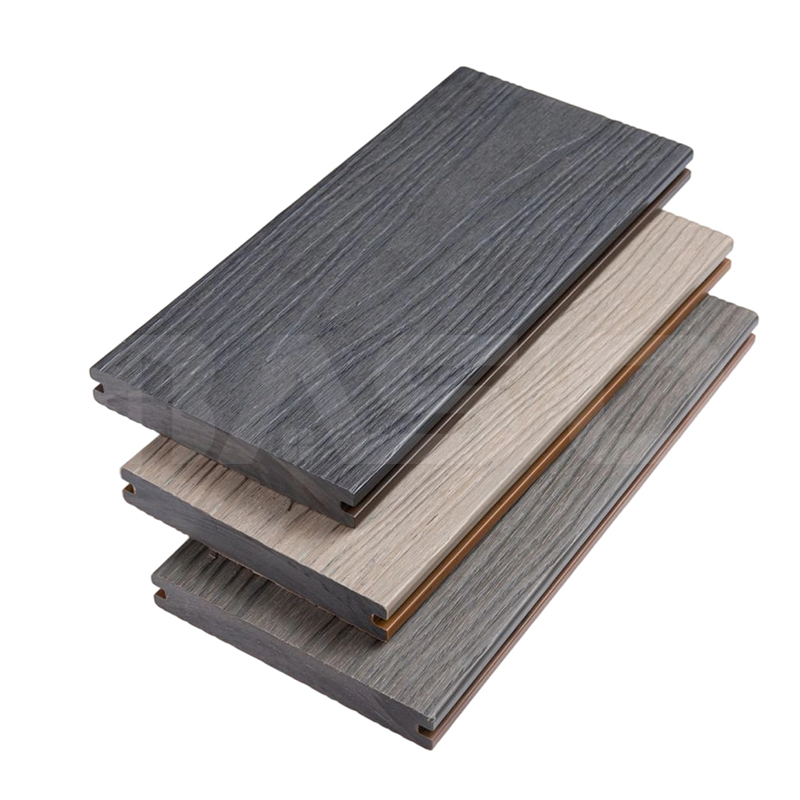 Co-Extrusion Composite Decking Solid Board 140mmA solid co-extruded WPC board with a protective outer layer that wipes clean readily, available in five colors and backed by a 20-year warranty.View Product →
Textured boards for grip and character
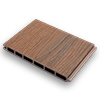
Deep-embossed boards look convincing and stay reassuring underfoot when wet. The trade-off is that a richer texture catches a little more dust, so a short pass across the grain with a nylon brush becomes part of the wash routine.
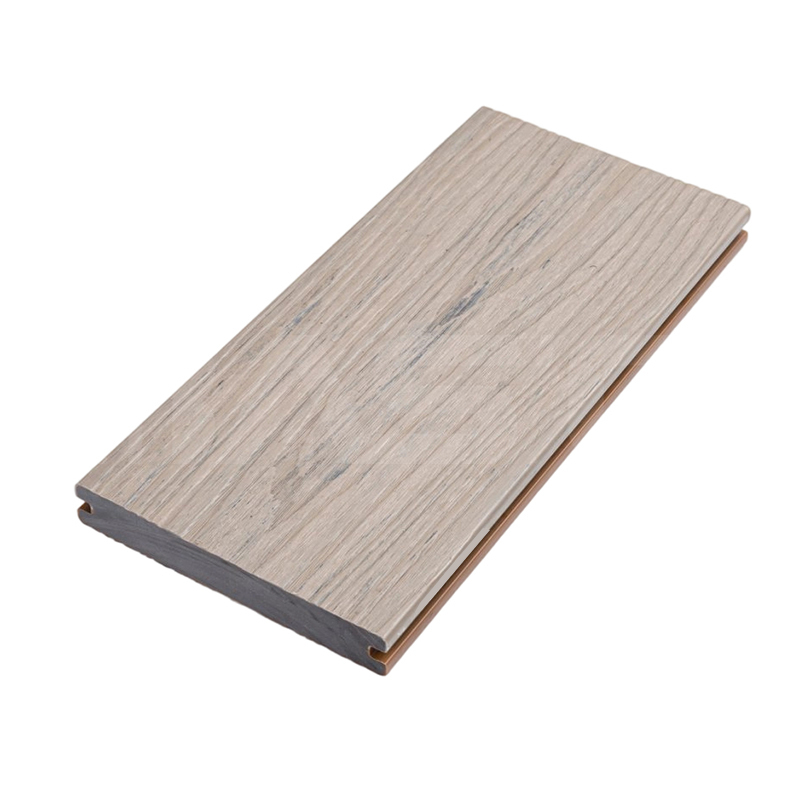
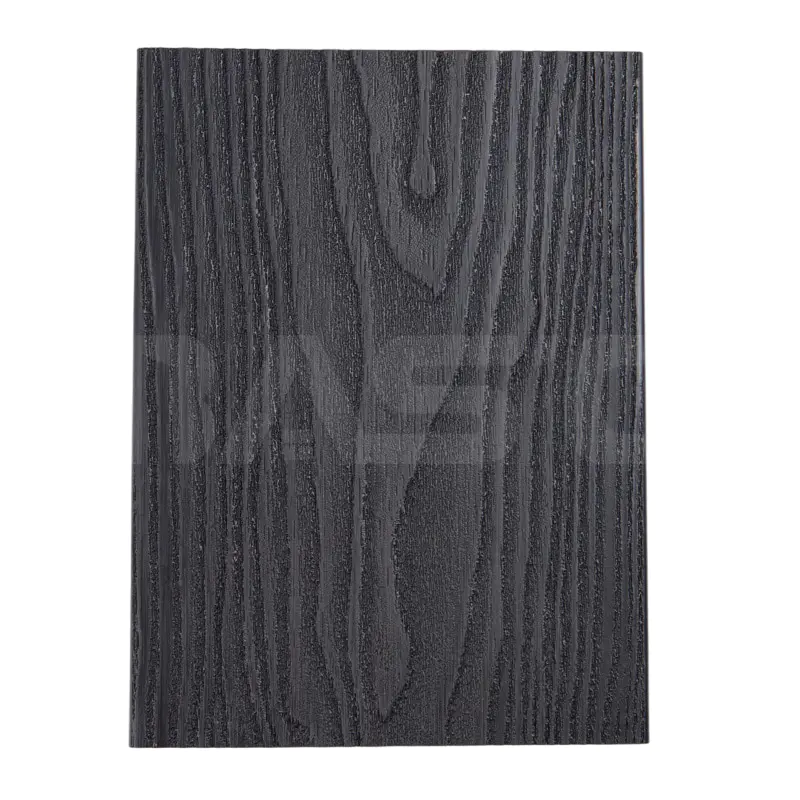 3D Deep Embossed Composite Decking Board 146mmA double-sided 3D embossed WPC deck board with anti-slip texture and UV-resistant ingredients, suited to courtyards and terraces.View Product →
Hidden fixings for cleaner upkeep
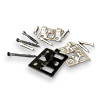
Concealed clips remove exposed screw heads, which means fewer places for debris to gather and nothing to catch a broom. It is a small detail that makes routine cleaning noticeably quicker.
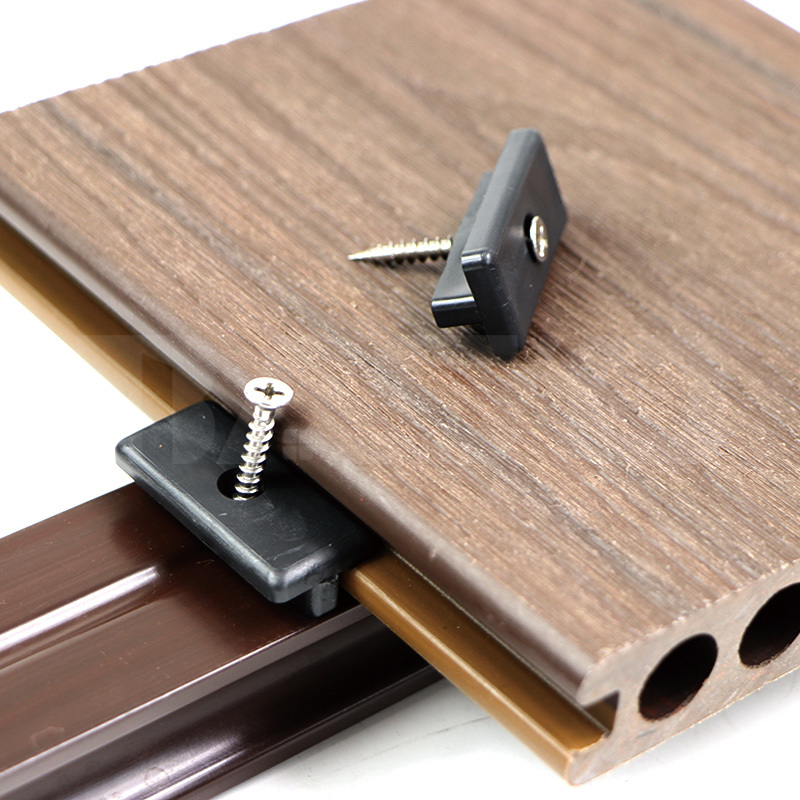 Concealed Clip System PP Plastic Decking ClipsPP decking fasteners create a 6mm ventilation gap and hide fixings, helping keep the deck surface neater and easier to sweep.View Product →
Habits That Undo Good Care
- Abrasive pads and steel wool, which leave permanent swirl marks.
- Solvents such as acetone or lacquer thinner, which can soften the surface.
- Bleach left to dry in the sun instead of being rinsed away.
- Sanding a capped board. It removes the layer that protects it.
- Sealing out of habit. Composite does not need the wax or oil coatings sold for timber.
Quick Answers to Common Questions
How often should a composite deck be washed?
Twice a year in most climates, and once a year in drier regions. Sweep far more often than you wash.
Can I seal it?
There is no need. A sealer can trap moisture and leave a patchy finish that is hard to remove later.
Does it fade?
UV stabilisers slow colour change considerably, and dark boards naturally lighten slightly over the first season before settling.
If you would like a second opinion on which board suits your climate and how much upkeep you want to take on, our team is glad to talk it through. You can also read our full deck maintenance checklist for a printable version of the routine above. In the end, a composite deck that gets a broom, a hose and an occasional wash will still look like the day it was installed a decade from now, and there is not much else in a garden that can promise that. Get in touch and we will help you plan the details.
Our News //
Related News


-
Email: [email protected]
Email: [email protected] -
Tel: +86 13732382108
Tel: +86 18705821696 -
 BLDG#1, LONGOUANWU ECO-INDUSTRIALPARK, MIAOXITOWN, WUXINGDISTRICT. HUZHOU. CHINA

Quick Links
Products Center
Copyright © 2025 Huzhou Baosheng New Material Co., Ltd.All Rights Reserved. Composite Decking Manufacturers Composite Cladding Factory
