

 Español
Vinyl or Composite Fencing: Which One Is Right for You?
News-Content
- 1 The Short Answer: It Depends on Your Priorities
- 2 What Each Material Actually Is
- 3 Cost Comparison: Upfront and Over Time
- 4 Durability and Structural Strength
- 5 Appearance and Aesthetic Options
- 6 Maintenance: What You'll Actually Need to Do
- 7 Environmental Considerations
- 8 Which Fencing Style Works Best With Each Material
- 9 Climate and Installation Considerations
- 10 Making the Final Decision: A Practical Guide
The Short Answer: It Depends on Your Priorities
Vinyl fencing is the better choice if you want a low-maintenance, budget-friendly option with a clean, classic look. Composite fencing is the stronger pick if you want a more natural wood appearance, greater structural durability, and are willing to pay a premium for it. Both materials outperform wood in terms of long-term upkeep, but they differ meaningfully in cost, aesthetics, environmental impact, and how they hold up over decades.
If you're replacing an aging wooden fence or building a new one, this comparison will walk you through every factor that matters — so you can make a confident, practical decision.
What Each Material Actually Is
Vinyl Fencing
Vinyl fencing is made from polyvinyl chloride (PVC), a rigid plastic polymer. It's manufactured in panels, pickets, and posts that are extruded into shape and designed to interlock or bolt together. Vinyl has been a mainstream fencing option since the 1980s and is widely available at home improvement stores and through fence contractors.
Composite Fencing
Composite fencing is made from a blend of recycled wood fibers and plastic polymers (typically polyethylene or polypropylene). The wood content — usually between 50% and 70% — gives composite boards a more organic grain texture and color variation. The plastic binder protects the wood fibers from moisture and insects. Composite is a newer technology than vinyl in the fencing market, and it's also what most composite decking is made from.
Cost Comparison: Upfront and Over Time
Cost is often the deciding factor. Here's a realistic breakdown of what you can expect to spend:
| Category | Vinyl Fencing | Composite Fencing |
|---|---|---|
| Material cost (per linear foot) | $15 – $30 | $25 – $50 |
| Installed cost (per linear foot) | $20 – $40 | $35 – $70 |
| Annual maintenance cost | Near $0 (occasional wash) | Near $0 (occasional wash) |
| Typical lifespan | 20 – 30 years | 25 – 35 years |
For a typical 150-linear-foot backyard fence, vinyl installation might total $3,000–$6,000 while composite could run $5,250–$10,500 — a significant difference. However, neither material requires staining, sealing, or repainting, so the long-term maintenance savings over wood are substantial for both.
Durability and Structural Strength
How Vinyl Holds Up
Vinyl is resistant to moisture, rot, and insects — it will never rust, splinter, or be eaten by termites. However, its key weakness is brittleness in extreme cold. In climates that regularly dip below -10°F (-23°C), vinyl panels can crack or shatter on impact. Wind is another concern: because vinyl is lightweight, tall privacy panels can flex and warp under sustained gusts above 50–60 mph without proper reinforcement.
High-quality vinyl fencing often includes aluminum reinforcement inserts inside the posts and rails, which significantly improves wind resistance. Always check whether this is included before purchasing.
How Composite Holds Up
Composite boards are denser and heavier than vinyl, which gives them greater impact resistance and structural rigidity. The wood fiber content also means they expand and contract less dramatically with temperature swings than pure PVC. Composite is less likely to crack in cold climates and handles wind loads better due to its mass.
The main durability concern with composite is moisture absorption at cut ends or damaged surfaces. If the protective outer shell is breached and water reaches the wood fibers inside, swelling, mold, or premature degradation can occur. This is why most composite fencing uses capped or fully encapsulated boards — a feature worth confirming with your supplier.
Appearance and Aesthetic Options
This is where the two materials diverge most clearly.
Vinyl: Clean and Consistent
Vinyl is available in white, tan, gray, and occasionally darker colors. Its surface is smooth and uniform — which looks clean and tidy but reads as clearly synthetic to most observers. It works well with contemporary or minimalist home styles, but can look out of place alongside traditional or rustic architecture. Color options are limited and cannot be painted — once you choose a color, it's permanent (though the surface can be cleaned).
Composite: Realistic Wood Texture
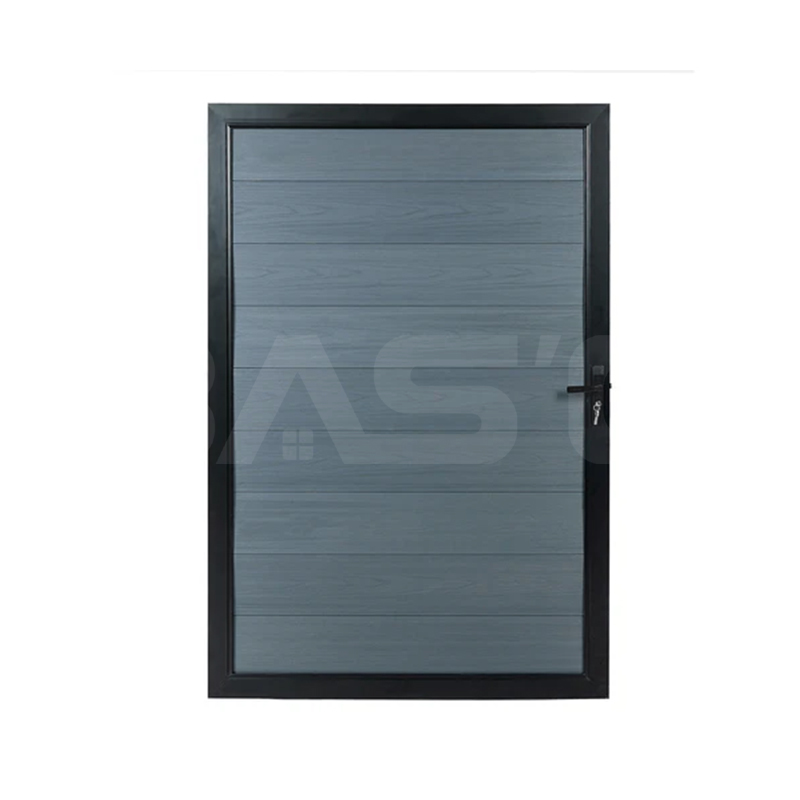
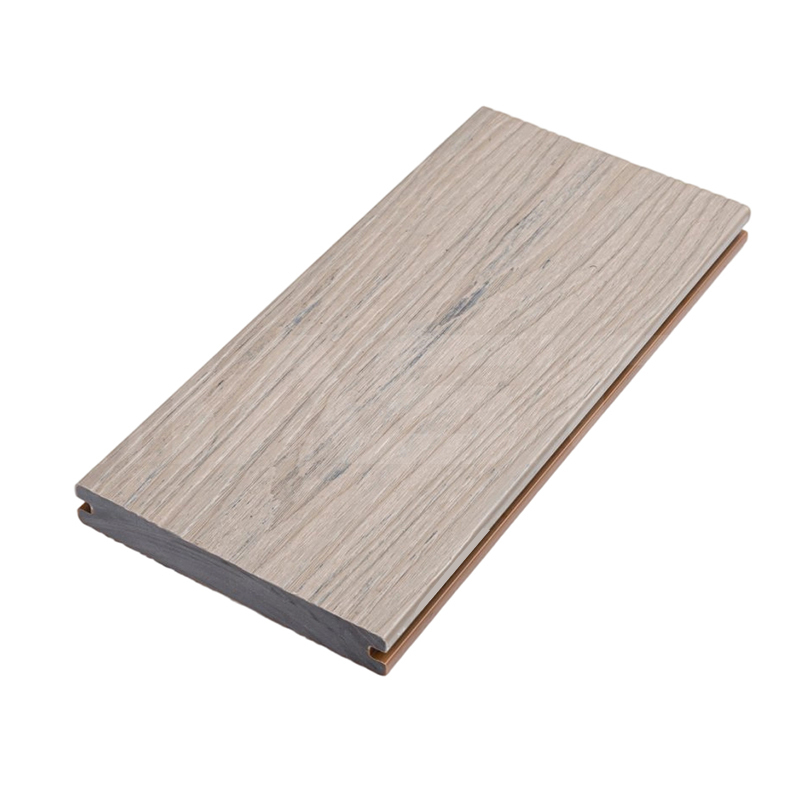
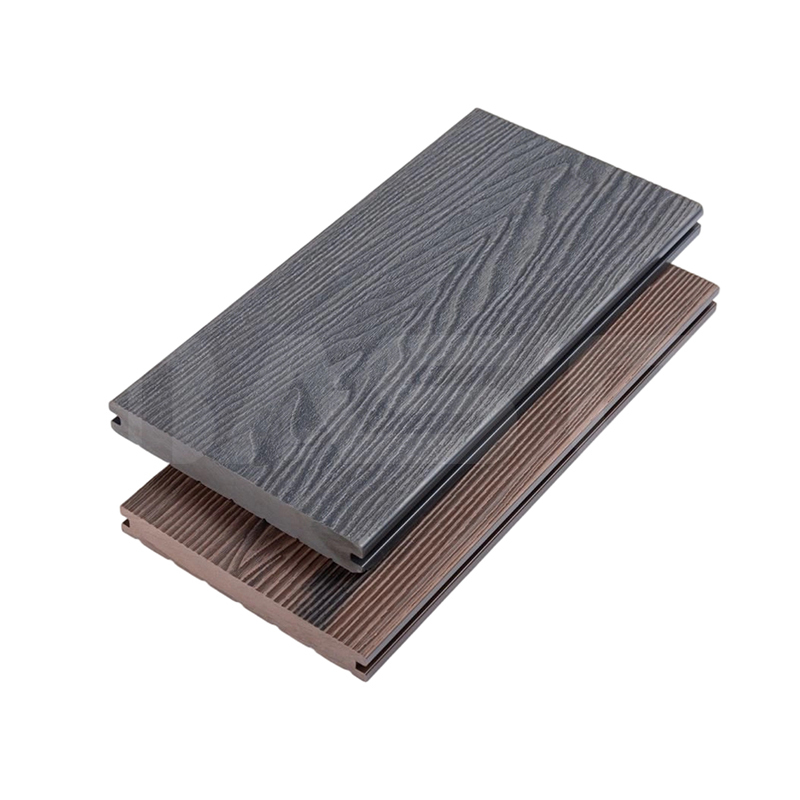
Composite fencing is manufactured with embossed grain textures and varied color streaking that mimics the look of natural wood. From a distance — and often up close — it's difficult to distinguish from real wood planks. It's available in a wider range of earthy tones: cedar, redwood, driftwood gray, and dark espresso are common options. For homeowners who want a wood-look fence without the wood maintenance, composite is the clear winner aesthetically.
Maintenance: What You'll Actually Need to Do
Both materials are marketed as "low maintenance," but there are real differences in practice:
- Vinyl: Rinse with a garden hose 1–2 times per year to remove dirt. Mildew can form in shaded, humid environments — this wipes off easily with a mild bleach solution. No painting, staining, or sealing needed.
- Composite: Similar hose-down schedule. Because of the wood fiber content, composite is slightly more prone to algae growth in wet climates — an annual wash with a composite deck cleaner is recommended. Like vinyl, no painting or staining required.
- Scratches and damage: Vinyl panels typically need full section replacement if cracked. Minor scratches on composite can sometimes be sanded down or concealed with touch-up products.
Compared to wood — which may need staining every 2–3 years at a cost of $500–$1,500 for an average fence — the lifetime maintenance savings for both vinyl and composite are substantial.
Environmental Considerations
Neither material is perfectly "green," but composite has a slight environmental edge in most analyses.
- Vinyl (PVC) is derived from petroleum and chlorine. Its production generates dioxins, and it is difficult to recycle at end of life. Most vinyl fence panels end up in landfills.
- Composite typically uses recycled wood waste (sawmill scraps, reclaimed lumber) and recycled plastic (often from shopping bags or packaging). This diverts material from landfills. However, the bonded material is also difficult to separate and recycle once its useful life is over.
- Both materials last significantly longer than pressure-treated wood, reducing the frequency of replacement and the associated resource consumption.
If sustainability is a priority, look for composite products that specify a high percentage of post-consumer recycled content — some boards exceed 95% recycled material.
Which Fencing Style Works Best With Each Material
Not every fence style translates equally well to both materials:
| Fence Style | Vinyl | Composite |
|---|---|---|
| Privacy (solid panel) | Excellent | Excellent |
| Picket fence | Excellent | Limited availability |
| Ranch rail / split rail | Good | Good |
| Shadowbox / board-on-board | Good | Excellent |
| Decorative / ornamental | Limited | Limited |
Climate and Installation Considerations
Where you live matters when choosing between these two materials:
- Hot, sunny climates: Both materials can fade slightly over time with UV exposure. Quality products include UV inhibitors in the manufacturing process. Darker vinyl colors are more susceptible to fading and heat warping than lighter shades. Composite handles heat similarly to vinyl but is less prone to warping due to its density.
- Cold climates: Composite outperforms vinyl here. Its wood content buffers against extreme cold brittleness. If you live in the northern U.S. or Canada, composite is the safer structural choice.
- High-wind areas: Both require proper post setting — typically concrete-set posts at least 24–36 inches deep, spaced no more than 8 feet apart. Composite's added weight helps resist racking in high winds.
- Installation ease: Vinyl fencing often uses snap-together panel systems that are straightforward for experienced DIYers. Composite fencing typically requires more precise cutting and fastening, and is heavier to handle, making professional installation more advisable.
Making the Final Decision: A Practical Guide
Use these decision points to match yourself with the right material:
- Budget is tight: Choose vinyl. The installed cost is meaningfully lower, and the long-term maintenance costs for both are near zero.
- You want a wood appearance: Choose composite. The grain texture and color variation are far more realistic than vinyl.
- You live in a cold climate: Choose composite. Vinyl's cold-weather brittleness is a real liability in harsh winters.
- You want a white picket fence: Choose vinyl. Composite picket options are limited, and white vinyl is virtually synonymous with the classic picket look.
- Sustainability matters to you: Lean toward composite, especially products with high post-consumer recycled content.
- DIY installation: Vinyl is more forgiving for homeowners comfortable with basic tools. Composite's weight and precision requirements favor professional installation.
Both vinyl and composite fencing are excellent long-term investments compared to traditional wood — the difference comes down to which trade-offs fit your specific situation. Get at least two contractor quotes specifying both materials, and ask to see physical samples in person before committing. Colors and textures look different in real light than on a product website.
Our News //
Related News
-
Email: [email protected]
Email: [email protected] -
Tel: +86 13732382108
Tel: +86 18705821696 -
 BLDG#1, LONGOUANWU ECO-INDUSTRIALPARK, MIAOXITOWN, WUXINGDISTRICT. HUZHOU. CHINA

Quick Links
Products Center
Copyright © 2025 Huzhou Baosheng New Material Co., Ltd.All Rights Reserved. Composite Decking Manufacturers Composite Cladding Factory
