
 Español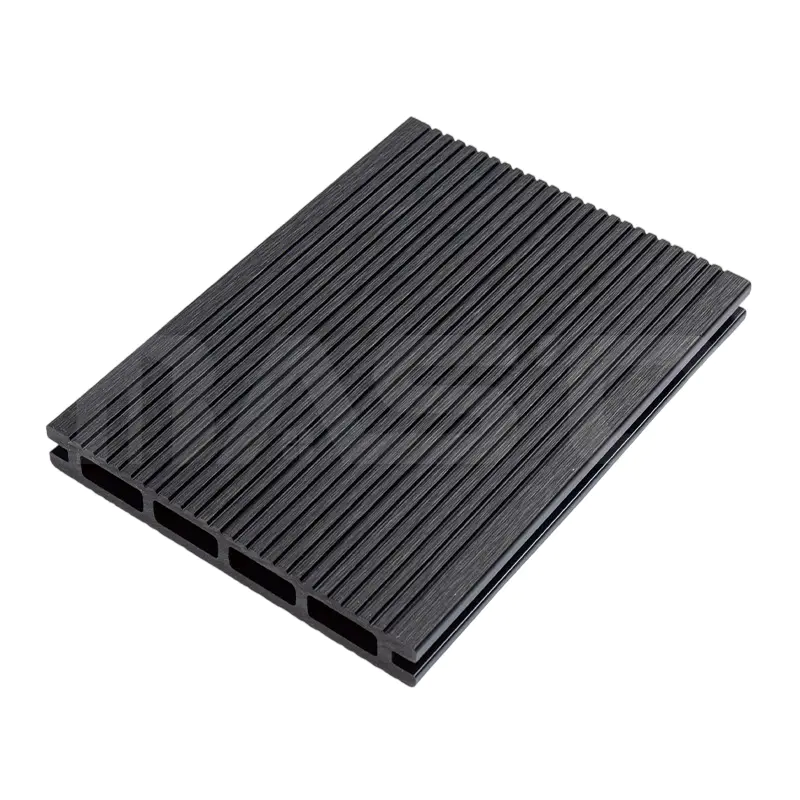

Labor costs to replace deck boards typically range from $4 to $12 per square foot, with most homeowners paying $6-8 per square foot for standard removal and installation. Total labor charges depend on deck size, board material, access difficulty, and regional contractor rates. For a typical 300-square-foot deck, expect...
READ MOREWPC Hollow Decking Manufacturers
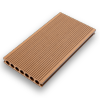
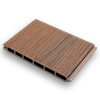
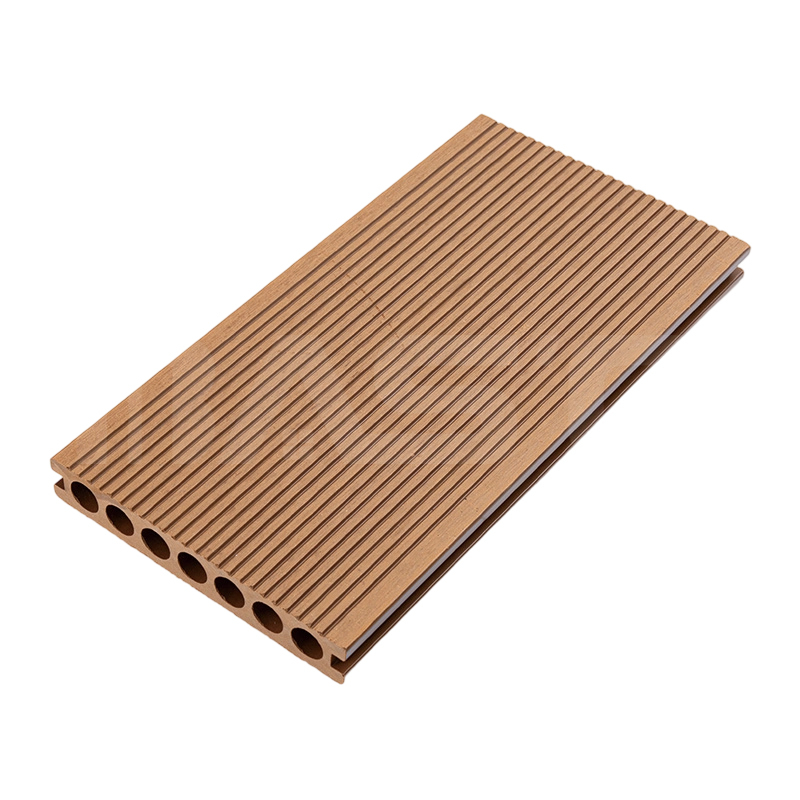
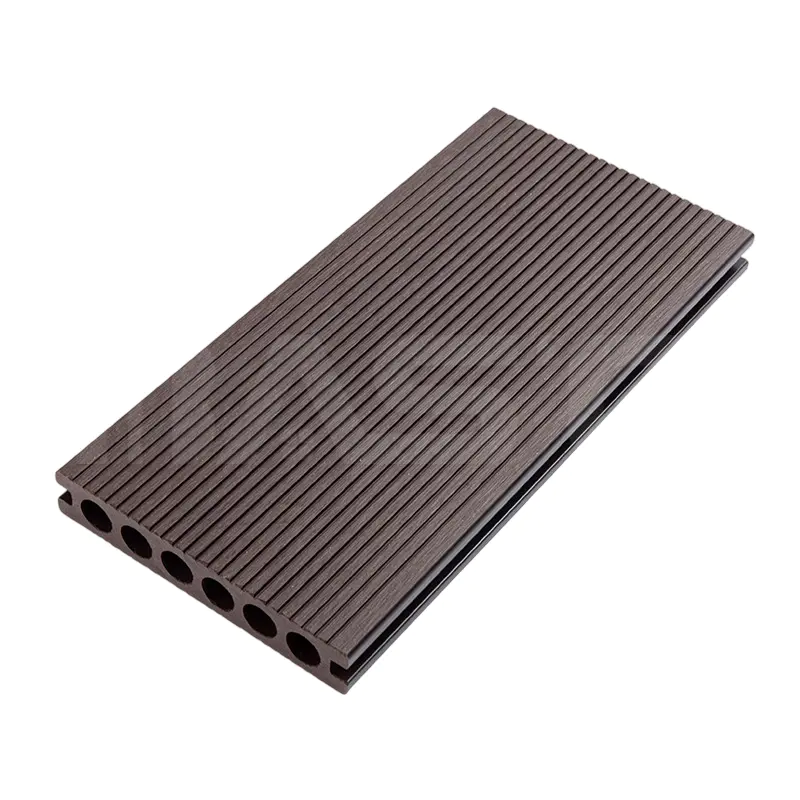
The classic hollow decking is an environmentally friendly and cost-effective outdoor floor material, made of wood powder and polymer resin through a high-temperature extrusion molding process. The product adopts a hollow structure design, which not only effectively reduces the weight of the floor, reduces transportation and installation costs, but also has good drainage performance, suitable for various outdoor environments.
Its surface presents a natural wood grain texture, which is both beautiful and practical. The product has the characteristics of waterproof, anti-corrosion, insect-proof, and UV resistance. It has a long service life, simple maintenance, and does not require paint or waxing. It is an ideal substitute for traditional wooden floors.
Applicable scenarios include: Balconies, terraces, swimming pool surroundings, garden paths, outdoor platforms, etc.
Message Feedback
ABOUT BASO
GREEN MATERIALS FOR SUSTAINABLE DEVELOPMENT
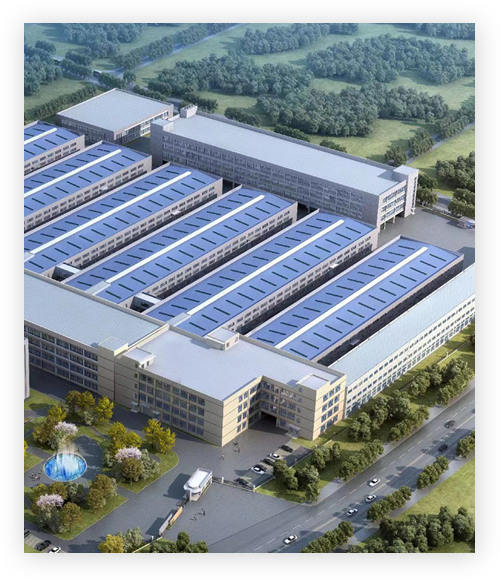
Huzhou Baosheng New Materials Co., Ltd is a professional enterprise that produces new decorative materials, composite material terraces, composite material coatings, composite material fences, and outdoor DlY ceramic tiles. As WPC Hollow Decking Manufacturers and Hollow Composite Decking Factory in China, the company is located in Huzhou City, Zhejiang Province, China. The main products include composite material terraces, composite material coverings, composite material fences, and related accessories. Our factory has over 20 production lines, which can provide you with high-quality and affordable products.

-
Export experience
0+
-
Production lines
0+
-
Regenerated Wood
0%
-
Exporting country
0+
News
-
-
Vinyl fence prices range from $17 to $40 per linear foot installed, with material costs alone averaging $8 to $20 per foot. Total project costs depend on fence style, height, quality grade, and site conditions. A typical 150-foot vinyl fence installation costs $2,550-6,000, including materials, labor, posts, gates, and...
READ MORE -
Building a composite deck involves creating a proper foundation, constructing a level frame, and installing composite boards with manufacturer-specified fasteners and spacing. Unlike traditional wood decks, composite materials require specific expansion gaps (typically 1/4 inch) and hidden fastening systems to accommod...
READ MORE
Industry knowledge
Structural Benefits of Hollow Decking Boards
Hollow decking boards are engineered with internal cavities that reduce overall weight while maintaining structural strength. This design allows for easier handling and faster installation compared to solid boards. The hollow core also improves dimensional stability, reducing the risk of warping, cracking, or swelling caused by environmental changes.
In addition to structural advantages, hollow composite decking allows for efficient drainage. Water can flow freely through the cavities, preventing pooling on the deck surface and reducing the likelihood of mold or algae growth. This is particularly valuable in outdoor environments with frequent rain or humidity fluctuations.
- Lightweight boards reduce the load on supporting joists and substructures.
- Hollow cores provide insulation, keeping the deck surface cooler under sunlight.
- Internal cavities can be designed to enhance sound absorption, reducing impact noise on the deck.
- Hollow boards are easier to cut and customize for complex layouts without heavy machinery.
Material Composition and Durability of WPC Hollow Decking
WPC (Wood-Plastic Composite) hollow decking combines recycled wood fibers with thermoplastics, offering a balance of strength, flexibility, and weather resistance. The proportion of wood fiber and plastic affects the board's density, hardness, and resistance to UV exposure, moisture, and termite damage.
| Composition Ratio | Performance Characteristic | Application Suggestion |
|---|---|---|
| 60% wood fiber / 40% plastic | Enhanced natural wood feel, moderate durability | Residential decks with light to moderate traffic |
| 50% wood fiber / 50% plastic | Improved weather resistance, lower maintenance | Commercial decks and high-traffic areas |
| 40% wood fiber / 60% plastic | Maximum durability, UV and water resistant, lighter | Outdoor terraces in wet or coastal environments |
Selecting the correct composition ratio is essential for balancing cost, aesthetic, and long-term performance. WPC hollow decking boards are particularly advantageous in environments with significant temperature variations due to their dimensional stability.
Installation Tips for Hollow Composite Decking
Proper installation techniques are crucial for maximizing the lifespan and functionality of hollow decking. Misalignment or improper support can lead to sagging or uneven surfaces. Joist spacing should generally be narrower than for solid boards to compensate for reduced thickness and rigidity.
- Use hidden deck fasteners or clips designed for hollow boards to ensure secure attachment without surface penetration.
- Leave consistent expansion gaps between boards to accommodate thermal expansion and contraction.
- Ensure joists are properly leveled and supported, as hollow boards are more susceptible to deflection under heavy loads.
- Pre-drill screw points in high-density WPC boards to prevent surface splitting.
Maintenance Strategies for WPC Hollow Decking
Although hollow composite decking requires less maintenance than traditional wood, proper care ensures longevity and aesthetic appeal. The hollow design promotes water drainage but also requires attention to debris accumulation inside the cavities.
- Regularly sweep and rinse the deck surface to prevent mold or mildew buildup inside hollow channels.
- Use mild soap and soft brushes to clean stains or surface dirt without scratching the composite material.
- Inspect hidden fasteners and clips to ensure boards remain securely attached, especially after seasonal temperature changes.
- Apply UV-protective coatings if the boards are exposed to direct sunlight to maintain color and reduce surface weathering.
Following these practices, WPC hollow decking boards can maintain performance, aesthetic appeal, and structural integrity for more than 15 years, even in outdoor, high-traffic environments.
-
Email: [email protected]
Email: [email protected] -
Tel: +86 13732382108
Tel: +86 18705821696 -
 BLDG#1, LONGOUANWU ECO-INDUSTRIALPARK, MIAOXITOWN, WUXINGDISTRICT. HUZHOU. CHINA

Quick Links
Products Center
Copyright © 2025 Huzhou Baosheng New Material Co., Ltd.All Rights Reserved. Custom Hollow Composite Decking Factory
