


 Español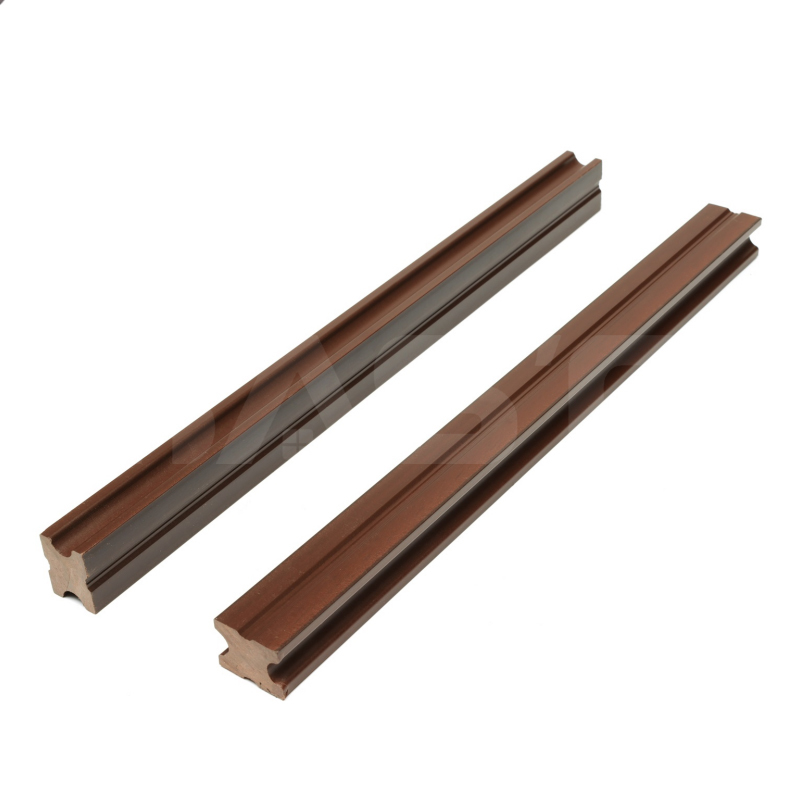

Labor costs to replace deck boards typically range from $4 to $12 per square foot, with most homeowners paying $6-8 per square foot for standard removal and installation. Total labor charges depend on deck size, board material, access difficulty, and regional contractor rates. For a typical 300-square-foot deck, expect...
READ MOREJoist System Manufacturers
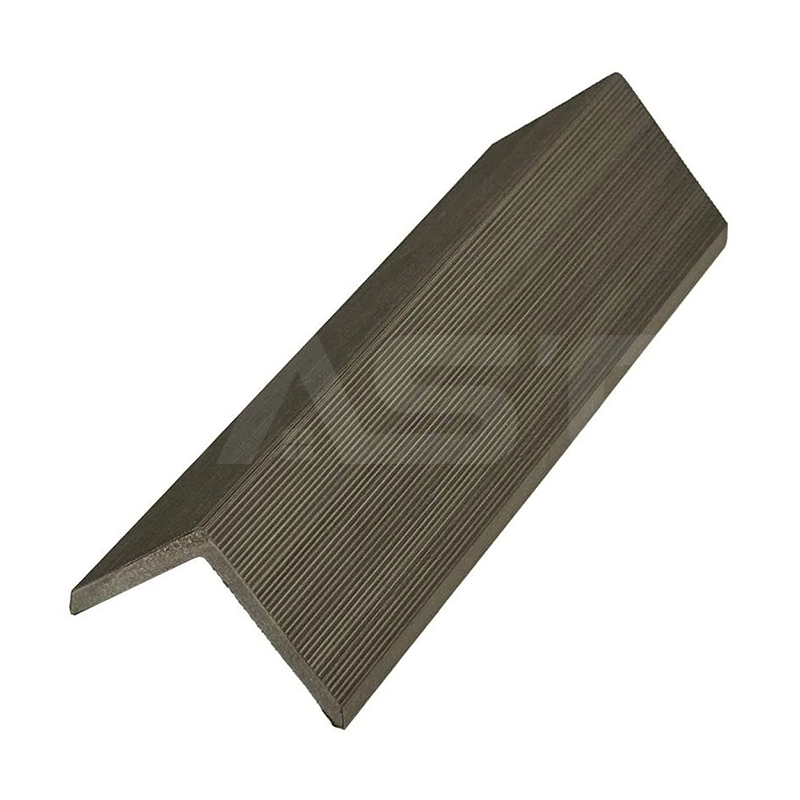
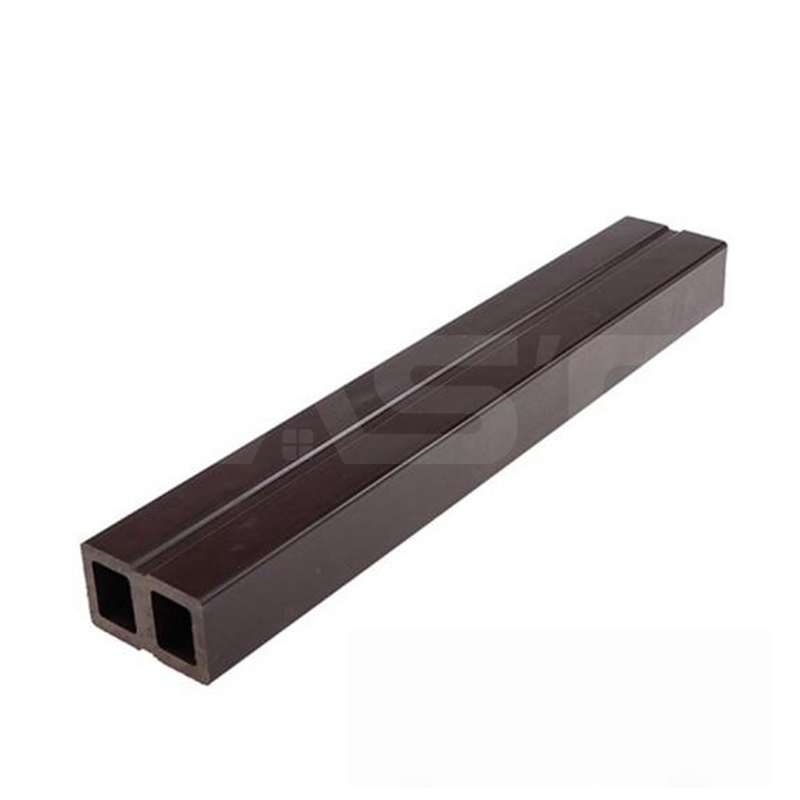
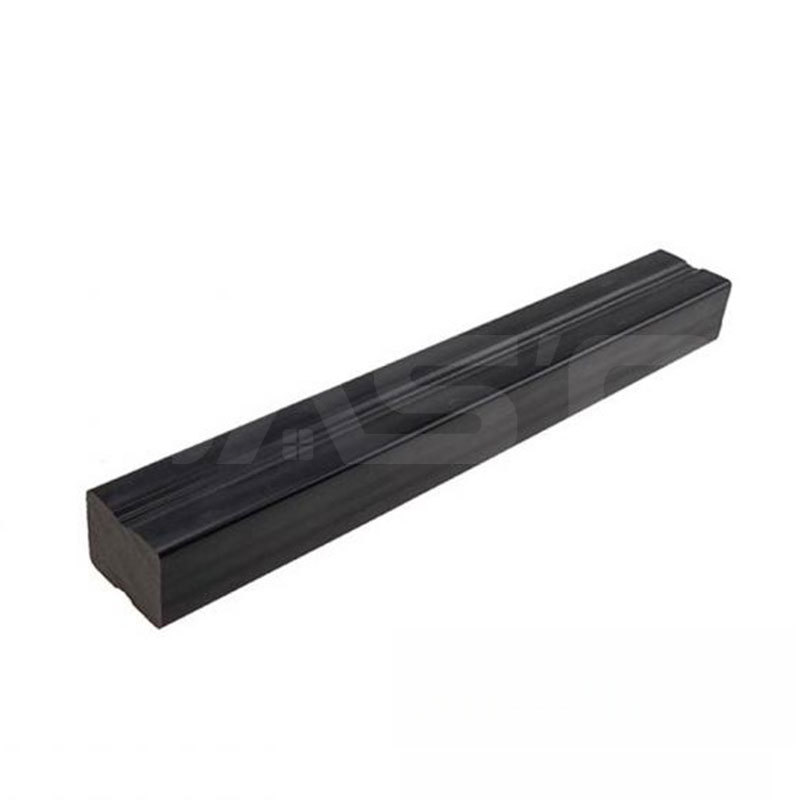
The joist structure is a fundamental component of many construction and decking systems, providing essential support for floors, decks, and roofs. Typically made from high-quality materials such as wood, steel, or composite, joists are designed to evenly distribute loads and provide a stable foundation for flooring materials, ensuring durability and strength in both residential and commercial projects.
Joist structures are designed to be highly customizable, allowing for adjustments in spacing, size, and material, making them suitable for various applications. They are used in elevated decking systems, flooring systems, and structural frameworks for both new builds and renovations.
Key features:
● Strong load-bearing capacity – efficiently distributes weight and provides stability to the overall structure
● Durable materials – available in wood, steel, and composite materials, ensuring longevity and resistance to wear
● Customizable design – adjustable spacing and material options for diverse applications and project needs
● Easy installation – quick and efficient installation process for both DIY and professional construction projects
● Weather-resistant – suitable for both indoor and outdoor applications, with resistance to moisture, UV, and corrosion (depending on material choice)
● Energy-efficient – contributes to the overall energy efficiency of the building by enhancing insulation and airflow.
Applications:
● Decking systems, raised floors, roofing structures, balcony frames, garden structures, commercial building foundations, and other structural applications.
Message Feedback
ABOUT BASO
GREEN MATERIALS FOR SUSTAINABLE DEVELOPMENT
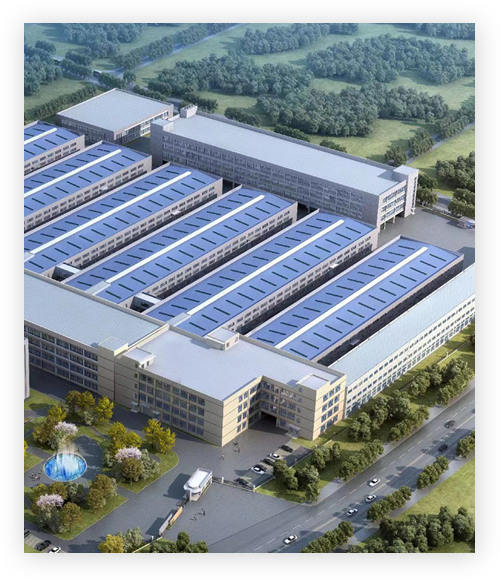
Huzhou Baosheng New Materials Co., Ltd is a professional enterprise that produces new decorative materials, composite material terraces, composite material coatings, composite material fences, and outdoor DlY ceramic tiles. As Joist System Manufacturers and Joist System Factory in China, the company is located in Huzhou City, Zhejiang Province, China. The main products include composite material terraces, composite material coverings, composite material fences, and related accessories. Our factory has over 20 production lines, which can provide you with high-quality and affordable products.

-
Export experience
0+
-
Production lines
0+
-
Regenerated Wood
0%
-
Exporting country
0+
News
-
-
Vinyl fence prices range from $17 to $40 per linear foot installed, with material costs alone averaging $8 to $20 per foot. Total project costs depend on fence style, height, quality grade, and site conditions. A typical 150-foot vinyl fence installation costs $2,550-6,000, including materials, labor, posts, gates, and...
READ MORE -
Building a composite deck involves creating a proper foundation, constructing a level frame, and installing composite boards with manufacturer-specified fasteners and spacing. Unlike traditional wood decks, composite materials require specific expansion gaps (typically 1/4 inch) and hidden fastening systems to accommod...
READ MORE
Industry knowledge
Optimizing Joist Spacing for Load Distribution
Proper joist spacing is critical for ensuring that decks and floors can support expected loads without sagging or structural stress. While common spacing intervals range from 12 to 24 inches, factors such as decking material, joist size, and intended use influence the ideal spacing. Narrower spacing increases load capacity and stability, especially for softer wood or composite decking, whereas wider spacing can be used for stronger materials but requires careful calculation to prevent deflection over time.
Material Selection and Durability Considerations
Selecting the right material for joist systems affects both longevity and performance. Wood joists provide natural strength and are often used for residential projects, but they require treatment against moisture, insects, and decay. Steel joists offer superior load-bearing capacity and are resistant to warping, making them suitable for commercial structures. Composite joists combine the aesthetic of wood with enhanced durability, resisting moisture, UV damage, and insect infestation. Each material choice should consider the environment, load requirements, and maintenance expectations.
Joist Orientation and Structural Alignment
The orientation of joists relative to beams, floorboards, or decking boards directly influences structural stability. Joists must be installed perpendicular to deck or floor boards to evenly distribute loads and prevent excessive bending. Alignment with supporting beams is crucial to avoid uneven weight distribution that can lead to long-term deformation or failure. In multi-level or raised decks, proper joist alignment ensures that the structure remains level and stable under variable loads.
Impact of Joist Size and Cross-Section
The dimensions of a joist—height, width, and cross-sectional shape—affect its stiffness and load-bearing capacity. Taller joists provide greater resistance to bending, while wider joists offer enhanced stability against lateral movement. Engineers often calculate joist deflection limits based on the intended application, considering factors such as span length and live load. Choosing the appropriate joist size prevents structural sagging and ensures safety for both residential and commercial decks or flooring systems.
Environmental Factors and Weather Resistance
Joist systems used outdoors or in humid environments must resist moisture, temperature fluctuations, and potential corrosion. Wooden joists require pressure treatment or sealing to prevent rot, while steel joists may need galvanization or protective coatings. Composite joists are inherently resistant to moisture and UV exposure. Understanding the environmental conditions where the joist system will be installed helps ensure long-term durability and minimizes maintenance requirements.
Comparing Load-Bearing Capacity of Different Joist Materials
| Joist Material | Span Capacity | Advantages | Maintenance Considerations |
|---|---|---|---|
| Wood | Short to medium spans | Natural look, easy to cut and shape | Requires sealing or treatment against rot and insects |
| Steel | Long spans, high load | Strong, resistant to warping and bending | May require anti-corrosion coating in outdoor settings |
| Composite | Short to medium spans | Resistant to moisture, insects, and UV | Minimal maintenance, occasionally cleaning required |
Energy Efficiency and Airflow Considerations
Joist spacing and orientation also influence energy efficiency and ventilation under flooring or decking systems. Properly designed joist systems allow air to circulate beneath the floor or deck, reducing moisture buildup and improving thermal performance. This contributes to the overall comfort of the building and can enhance insulation efficiency, especially in elevated decking or raised floor applications.
Installation Tips for Consistent Performance
During installation, consistent leveling and secure attachment to beams or support structures are essential for optimal joist performance. Using joist hangers, brackets, or specialized fasteners ensures stability and minimizes deflection. Pre-measuring and marking spacing points, verifying alignment, and using a level during installation prevent structural issues and reduce the risk of long-term sagging or misalignment in both residential and commercial projects.
Long-Term Maintenance and Inspection
Regular inspection of joist systems can prevent deterioration and maintain structural safety. Wooden joists should be checked for signs of rot, cracks, or insect damage, while steel joists require monitoring for rust or corrosion. Composite joists, though low-maintenance, should still be cleaned periodically to remove debris and prevent surface staining. Identifying potential issues early helps extend the lifespan of the joist system and avoids costly repairs.
-
Email: [email protected]
Email: [email protected] -
Tel: +86 13732382108
Tel: +86 18705821696 -
 BLDG#1, LONGOUANWU ECO-INDUSTRIALPARK, MIAOXITOWN, WUXINGDISTRICT. HUZHOU. CHINA

Quick Links
Products Center
Copyright © 2025 Huzhou Baosheng New Material Co., Ltd.All Rights Reserved. Custom Joist System Factory
